Education
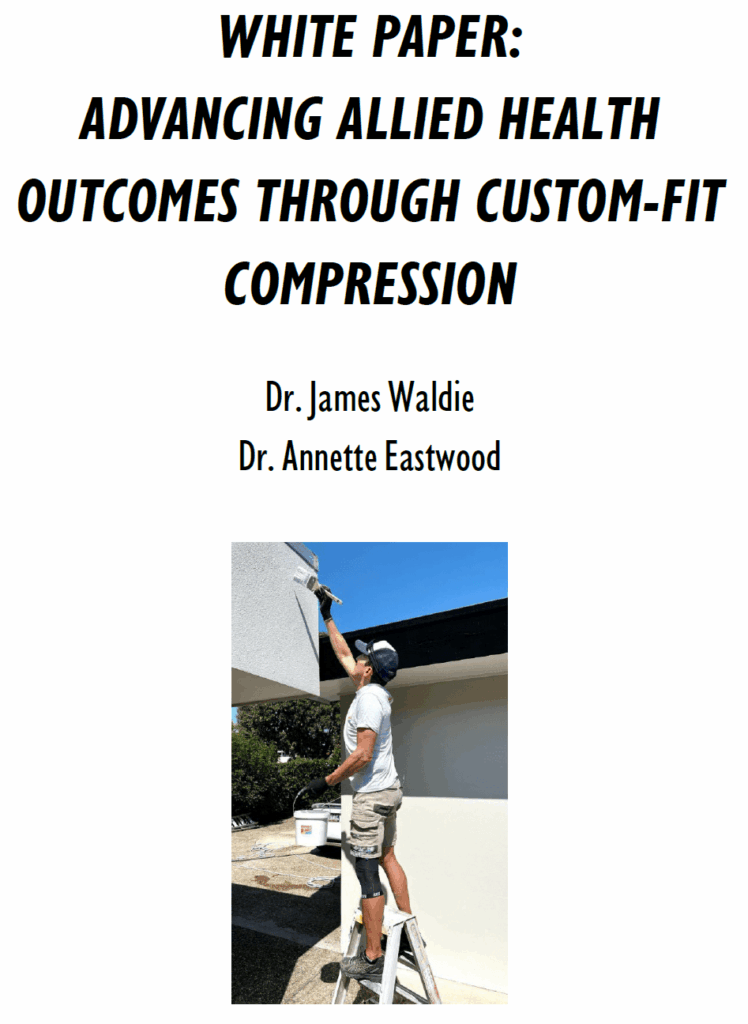
CLICK TO RECEIVE OUR WHITE PAPER
Executive summary
There is growing consensus among clinicians and the literature that custom-fit compression garments represent a significant advancement in compression therapy. While they may involve higher upfront costs, the long-term benefits—reduced complications, fewer replacements, better clinical outcomes—support their broader adoption in managing venous insufficiency, oedema, arthritis, post-operative support, travel, activity, injury prevention and MSK injury recovery. While standard-sized compression garments are widely used, patients frequently encounter challenges such as discomfort, slippage, poor adherence, and inconsistent pressure application. Custom-fit compression garments offer superior clinical outcomes, greater comfort, and improved long-term adherence compared to standard-size garments. Moreover, with the advent of CAPE 3D body scanning technologies, these garments can now be prescribed by practitioners rapidly and cost-effectively, reducing fabrication errors and time. As compression therapy continues to evolve, precision fit is emerging as a critical factor in achieving optimal patient outcomes.
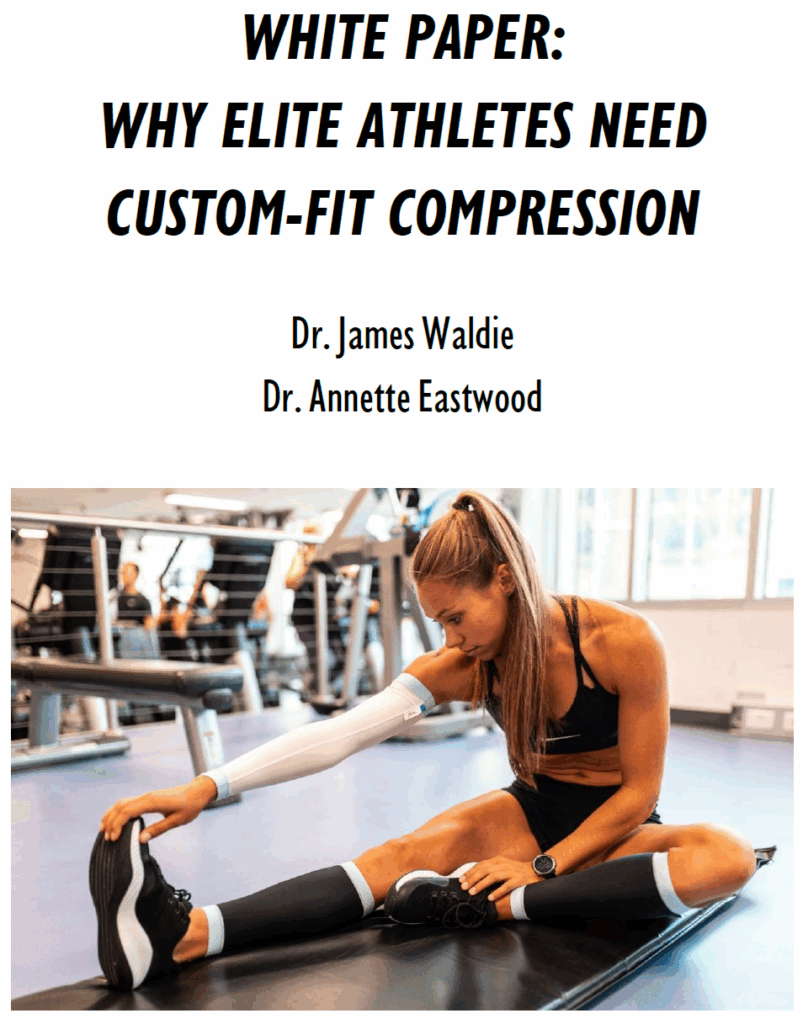
CLICK TO RECEIVE OUR WHITE PAPER
Introduction
Despite being widely used by athletes at all levels, there is still considerable debate about how compression physiologically impacts the body, and its impact on athletic performance. This paper aims to provide the facts on sports compression by describing how pressure garments can augment physiological performance, and by how much. It also provides guidelines on how elite athletes should choose their compression garments.
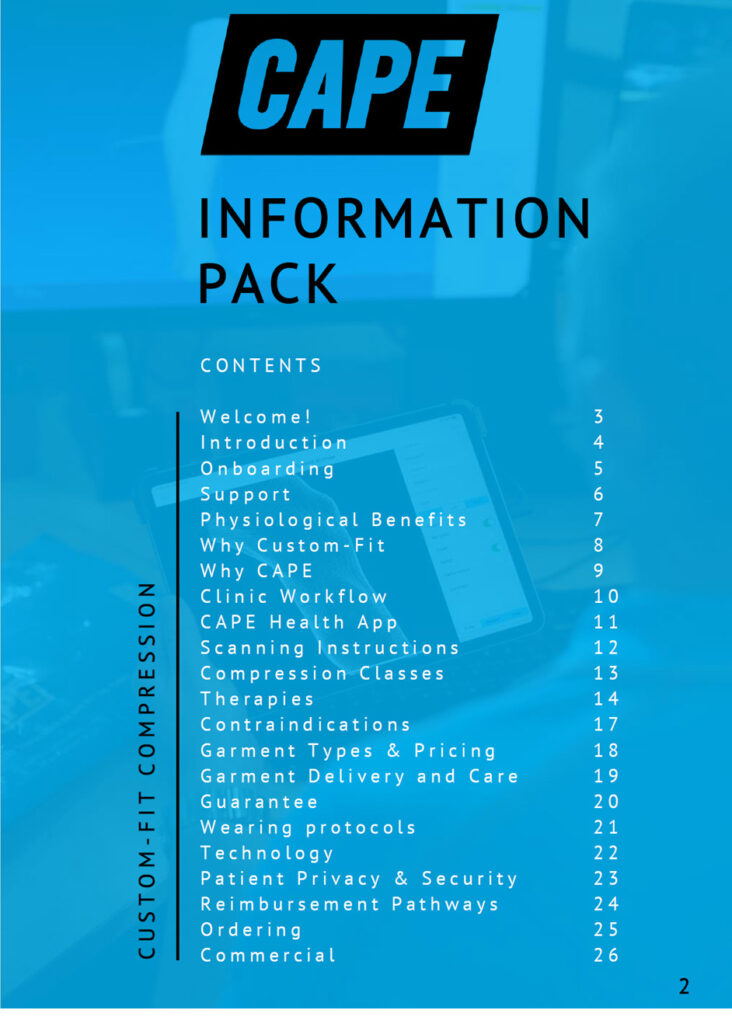
CAPE Information Pack
This Pack is designed to make you feel completely at ease with prescribing CAPE garments. The pack will cover all of the key issues around prescribing CAPE, such as compression physiology, the advantages of custom-fit, 3D scanning, our technology, therapies, pricing and reimbursement, independent research, CAPE garments and commercial aspects.
Blog Posts
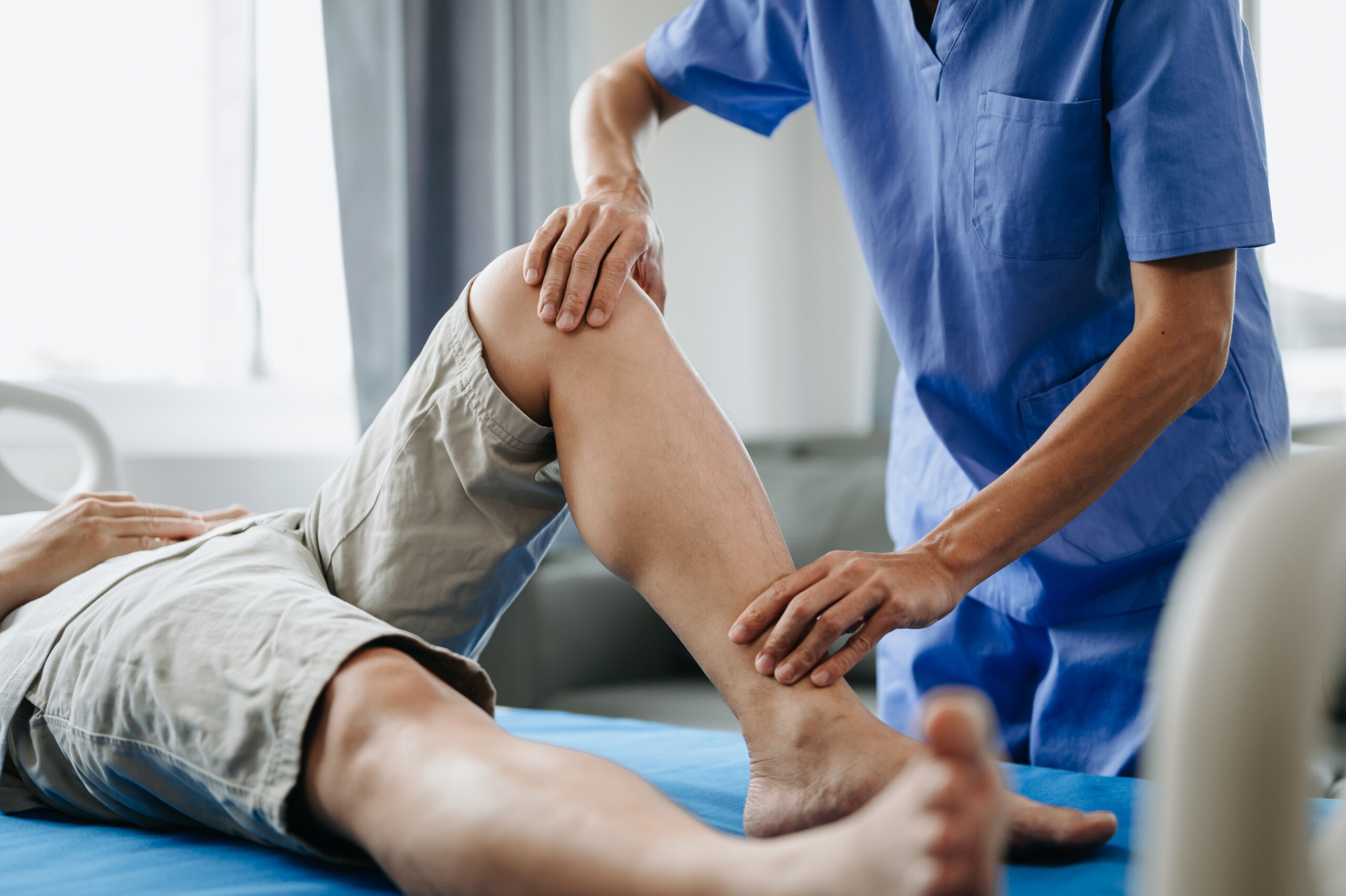
From RICE to PACE
•
May 5, 2026
•
Health
The latest evidence in treating soft tissue injury For more than 40 years, RICE (Rest, Ice, Compression, Elevation) has been the default …
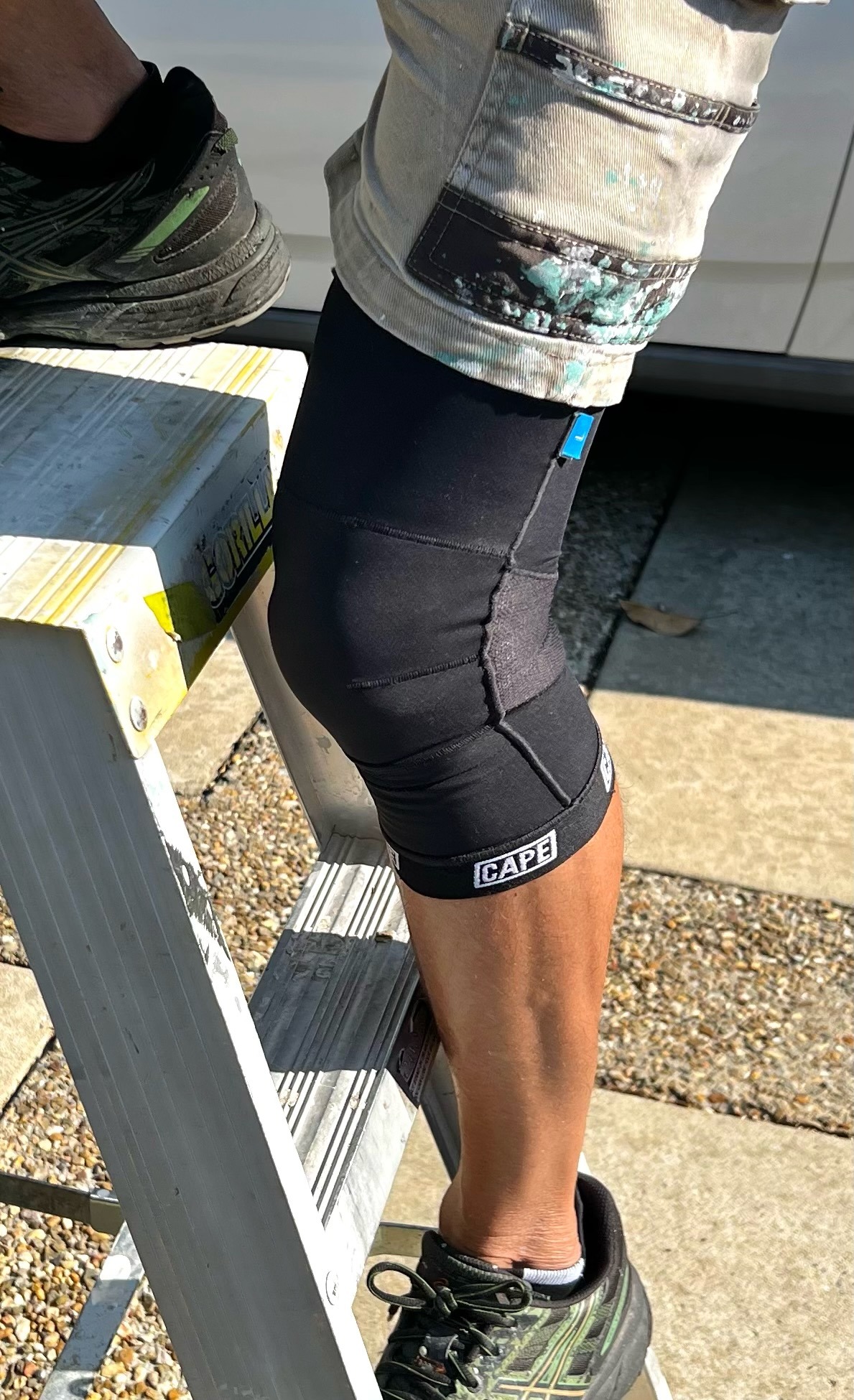
What real clients think of CAPE custom-fit compression
•
April 15, 2026
•
Health
Clients really benefit from using the best compression! Here are a few comments from those who have been prescribed CAPE. “The pressure …

CAPE reviews are in! What Clinics really think…
•
March 26, 2026
•
Health
Here are the results of our most recent clinic survey. Clinical Outcomes: average score 4.5/5 Clinics consistently reported excellent patient outcomes across …
The CAPE Guarantee
•
March 14, 2026
•
Business, Athletes, Health
Your satisfaction – and that of the client – is vital, and our guarantee reflects this commitment. CAPE Bionics use 3D scanning, …
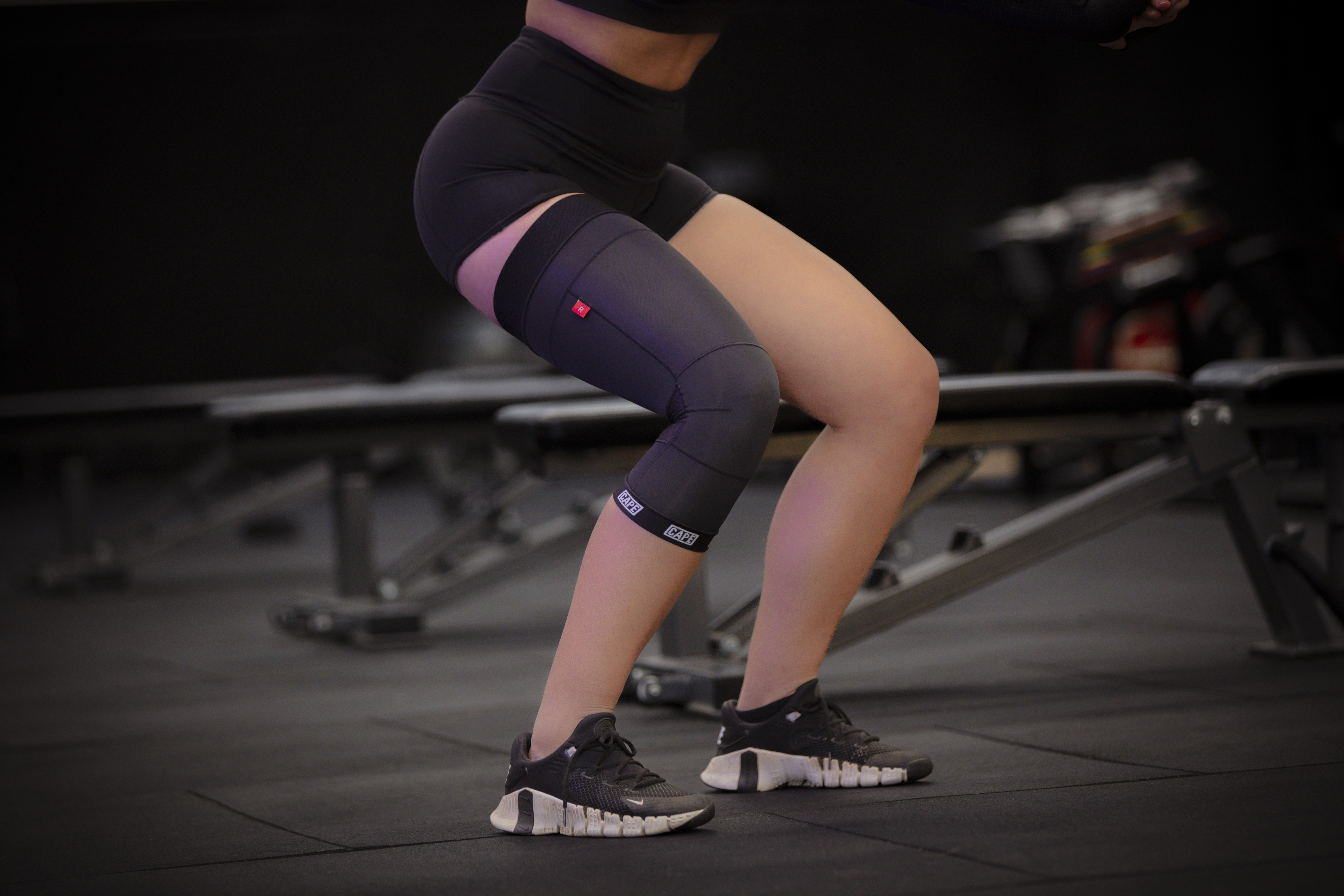
Fit-First, Patient-First
•
February 12, 2026
•
Health
The best compression is the one your patient will actually wear. That’s why CAPE Bionics starts with fit. Our custom garments eliminate …
Designed for the Way You Work
•
January 22, 2026
•
Health
You’re a busy clinician, not a garment fitter.CAPE Bionics keeps things simple as it all happens seamlessly in our “CAPE Health” app. …
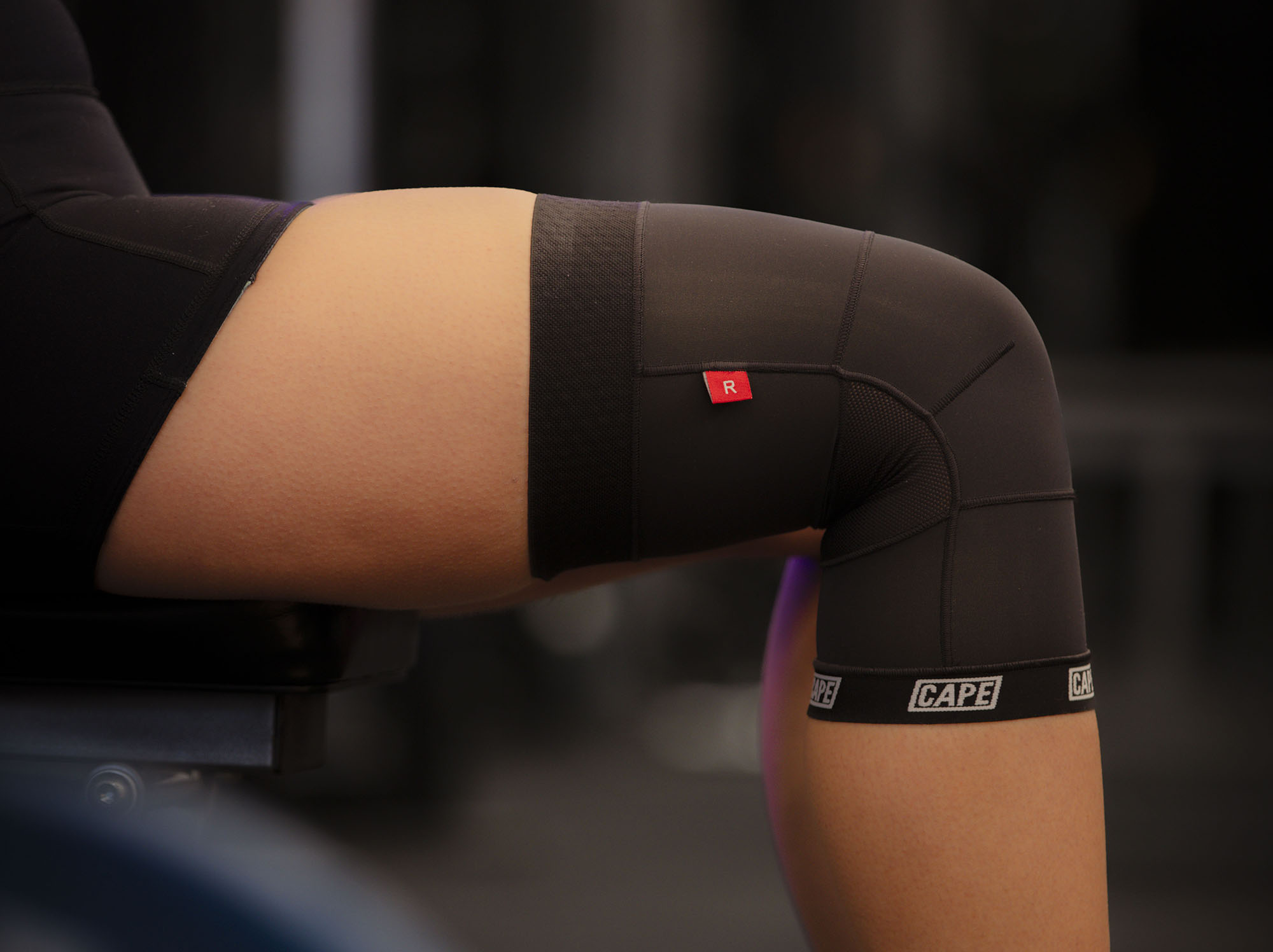
Stop the Slippage – Why Fit Matters
•
December 18, 2025
•
Health
Have you seen compression garments sliding down by lunchtime? That’s garment migration and it’s a major cause of therapy failure, client frustration and …
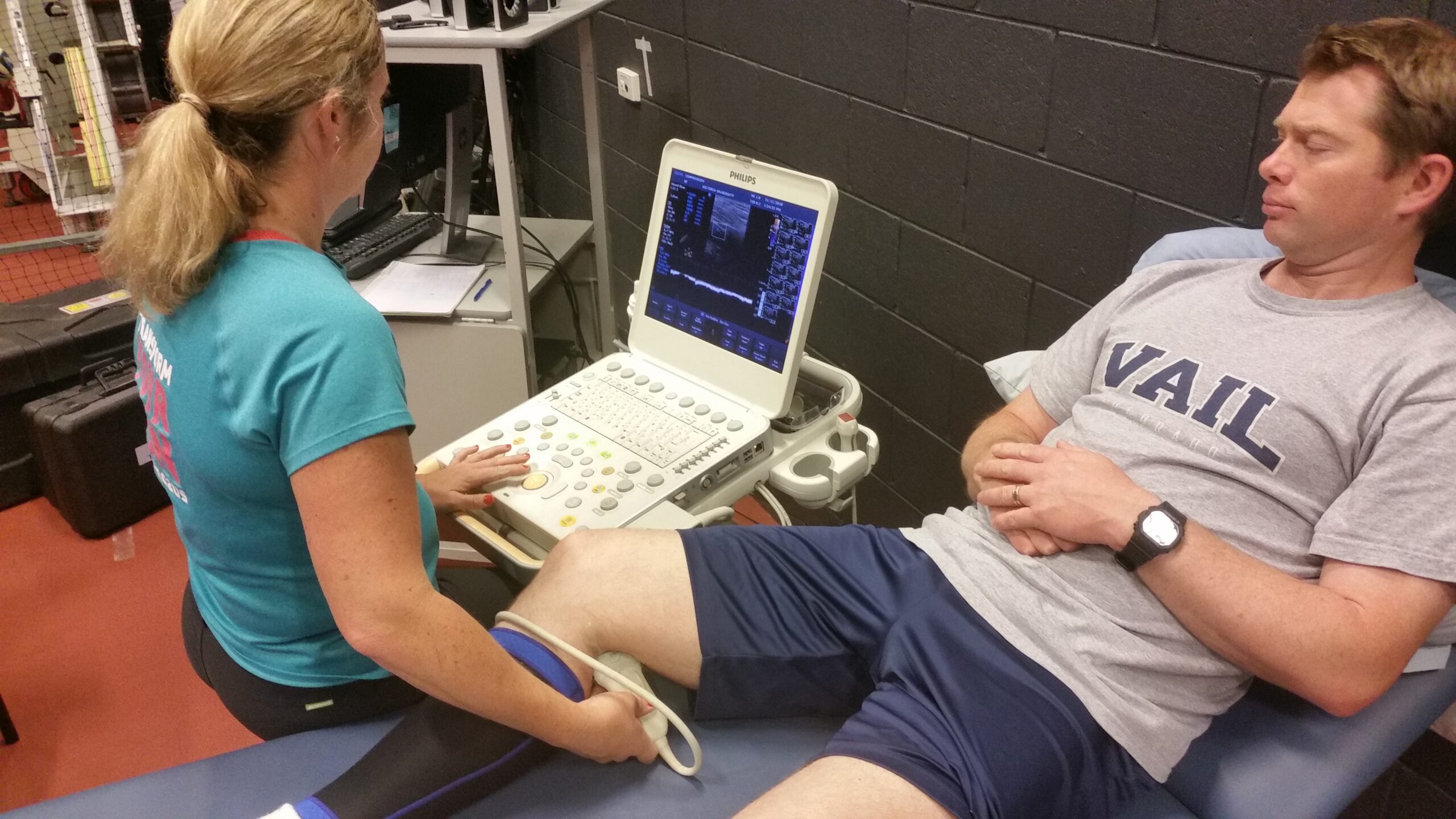
What Makes a Compression Garment “Medical Grade”?
•
November 27, 2025
•
Health
Not all compression is created equal.For allied health professionals, “medical grade” compression means precise pressure, clinically appropriate gradients, and reliable quality across …
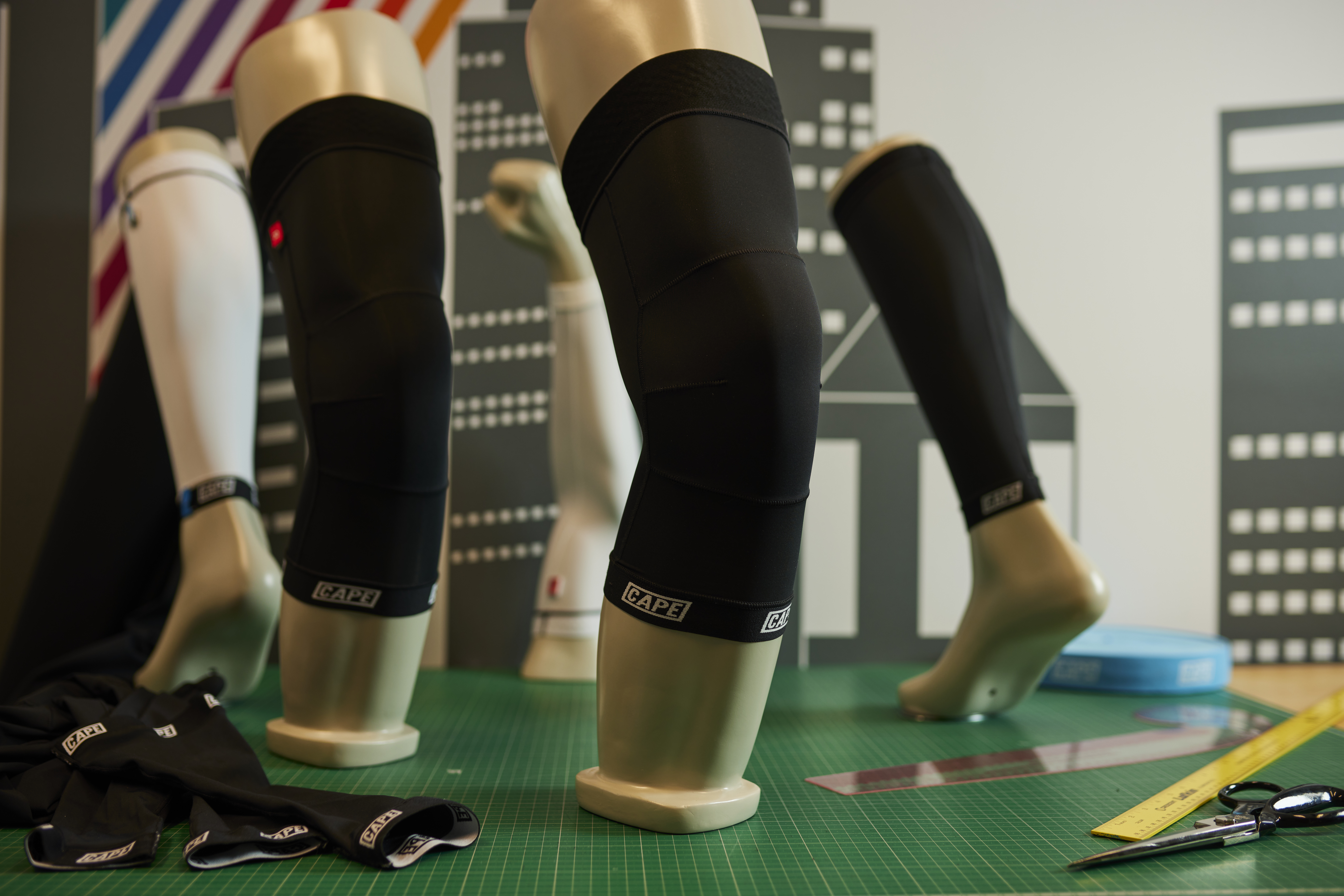
Generous commissions from CAPE
•
November 13, 2025
•
Health
It is quick and easy to order custom-fit garments with the CAPE Health app. CAPE appreciates your business and your time, so we …
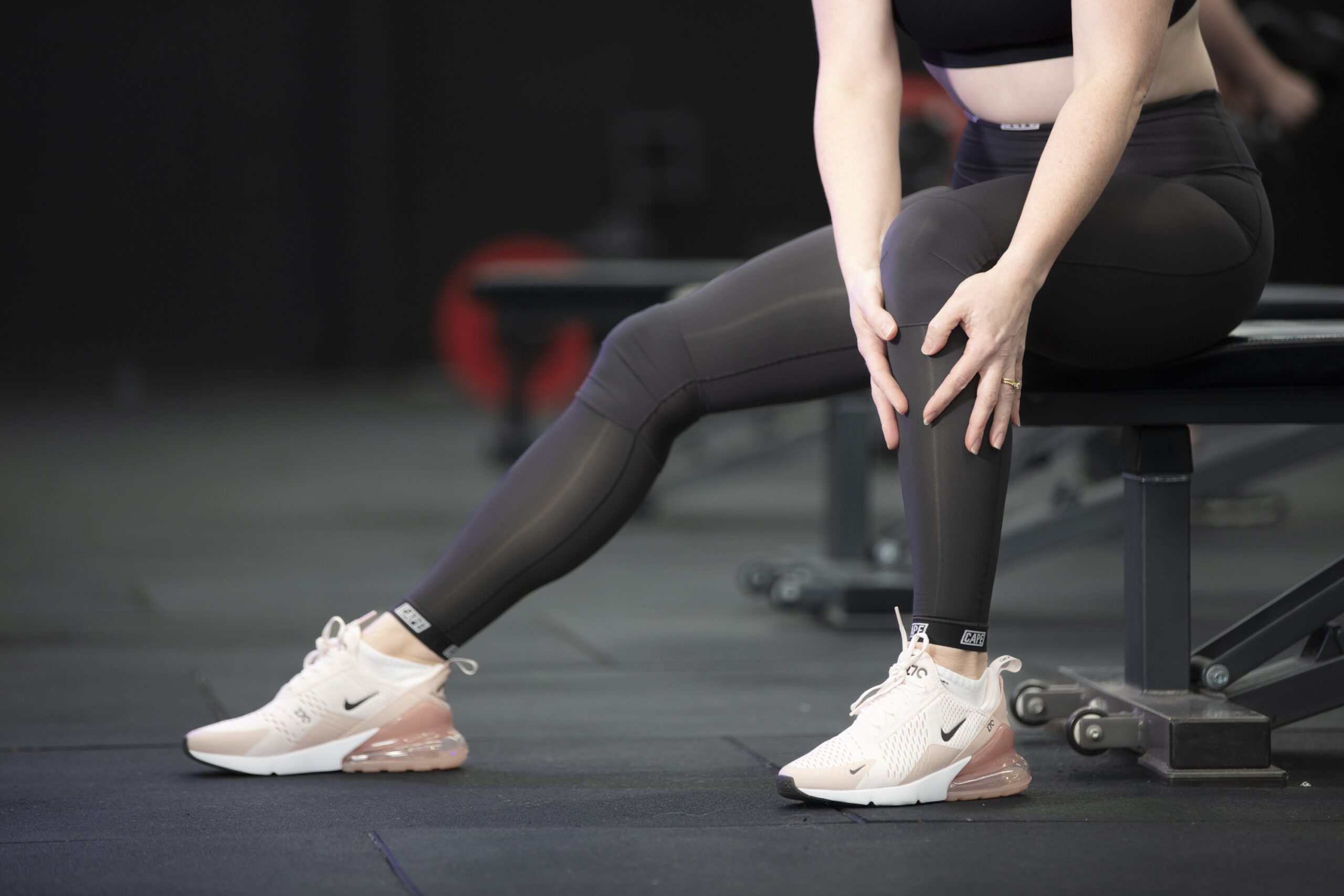
Custom-fit compression must be expensive for clients…right?
•
October 16, 2025
•
Health
NO is the short answer with CAPE Bionics. Our TGA listed garments are similar in price to premium off-the-shelf, which is incredible. …
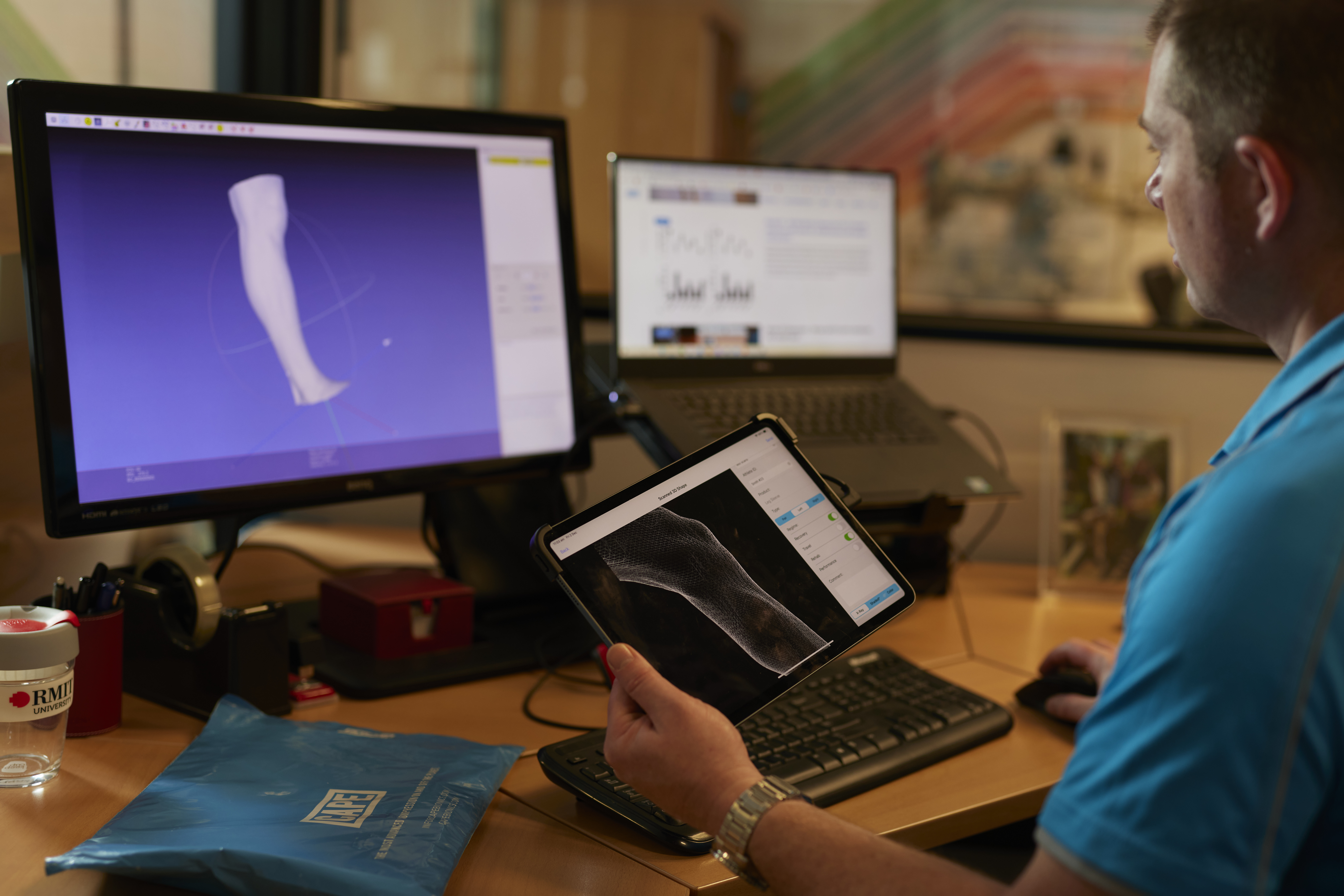
Why Allied Health Is Going Custom
•
October 2, 2025
•
Health
Evidence-based compression starts with the right fit. Studies show that custom-fit garments outperform standard sizing in both comfort and clinical results, and …
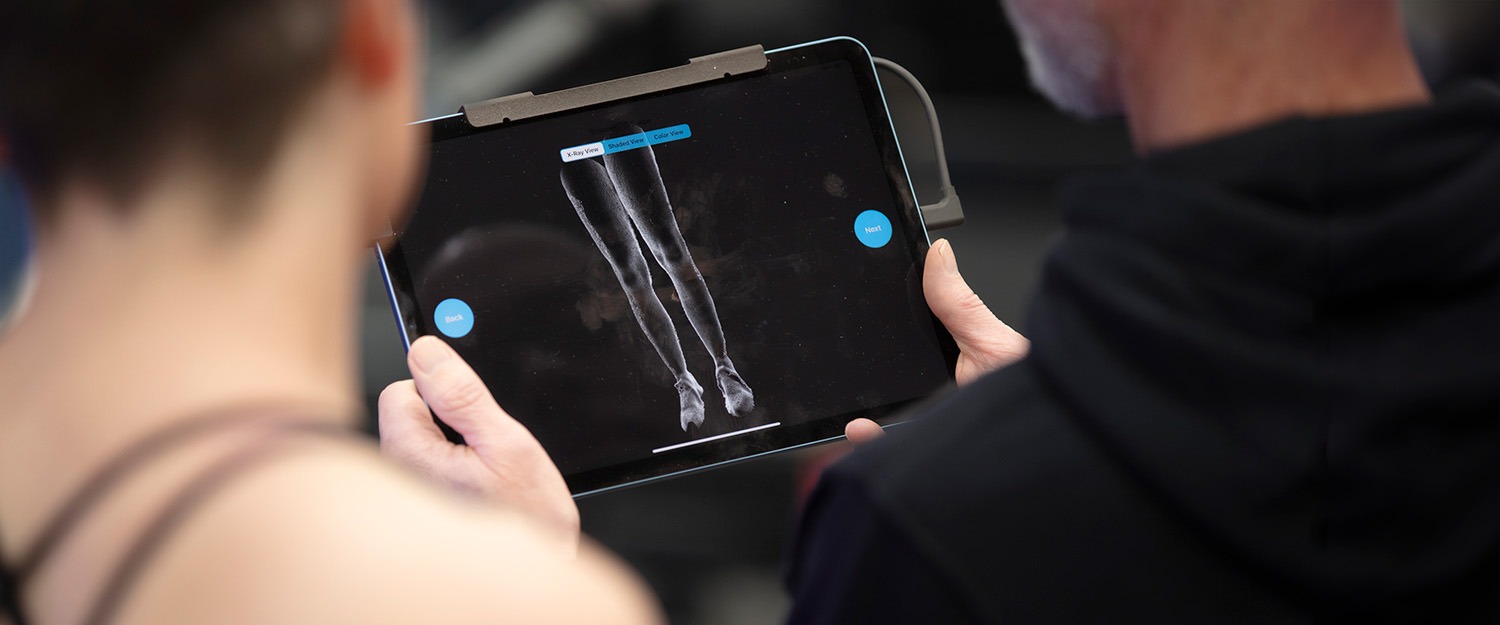
Compression Innovation That Fits Your Workflow
•
September 18, 2025
•
Health
CAPE Bionics was built with busy clinics in mind. From scan to order submission, our digital-first process is free, fast, intuitive, and …
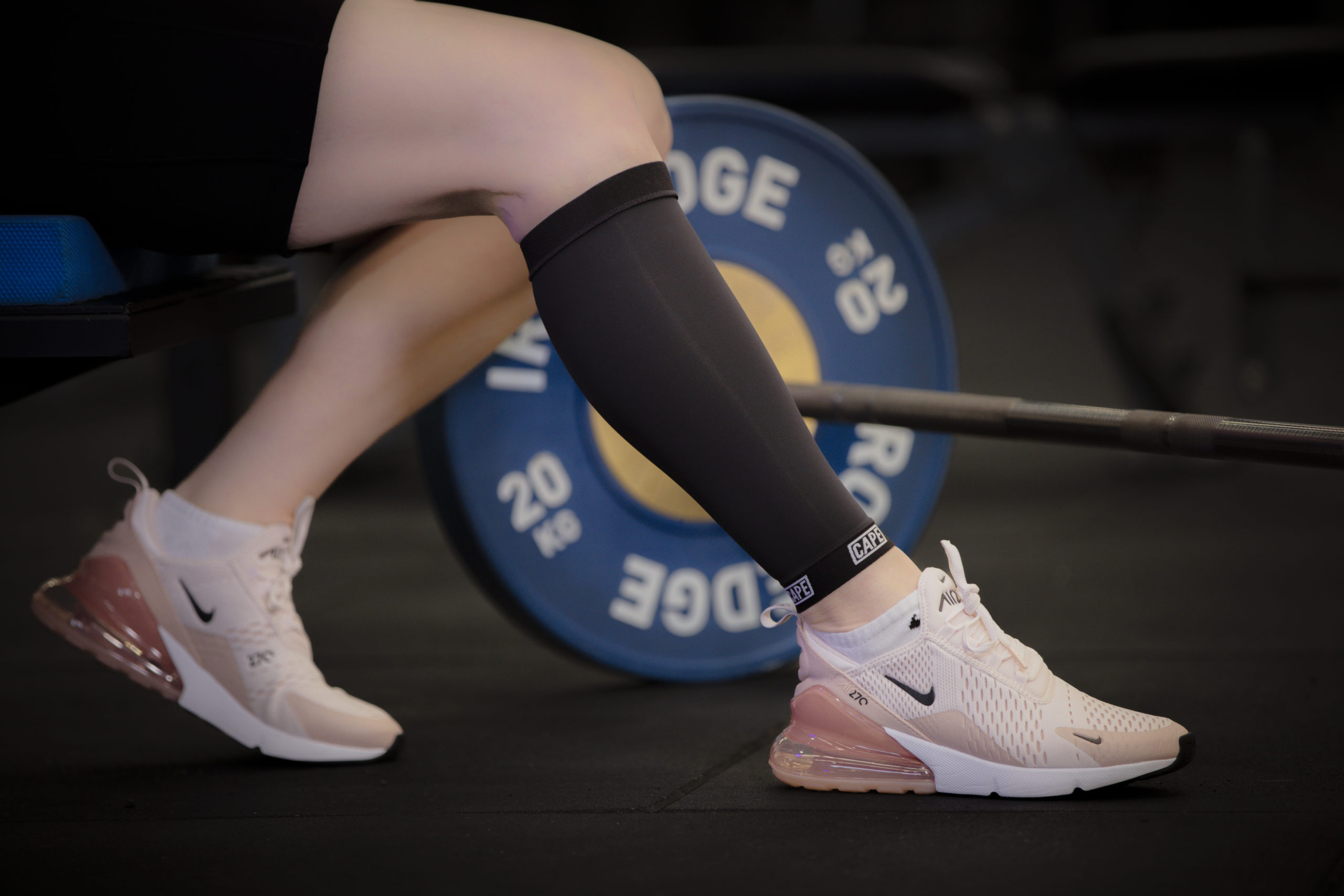
Compression That Clients Actually Want to Wear
•
September 4, 2025
•
Health
One of the biggest challenges with compression therapy is getting your clients to wear it.CAPE Bionics solves this by delivering garments that …
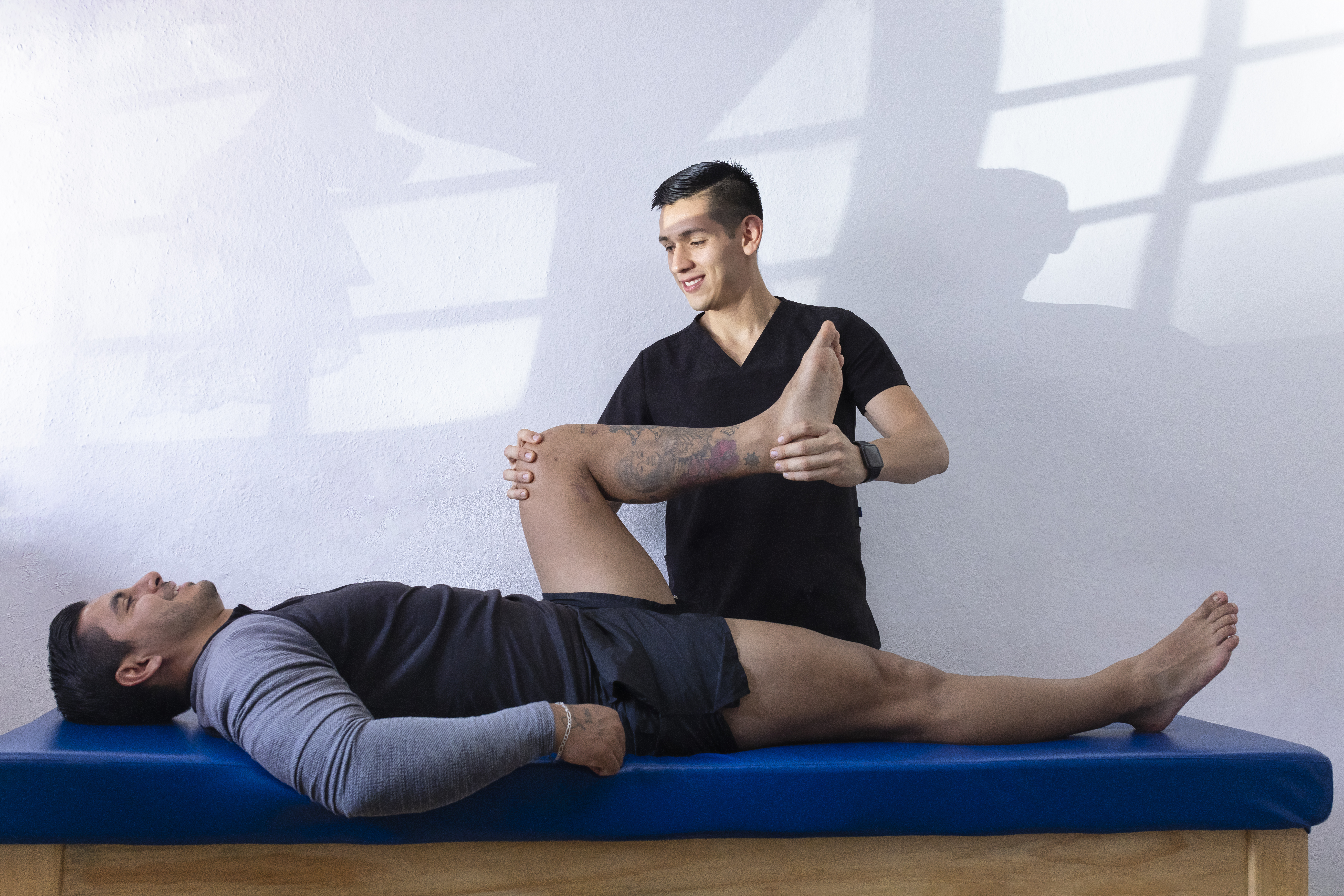
Rethinking Compression in Allied Health
•
August 21, 2025
•
Health
Are your clients still using off-the-shelf compression garments? Compression in standard sizes is OK for fashion or athleisurewear, but in allied health, …
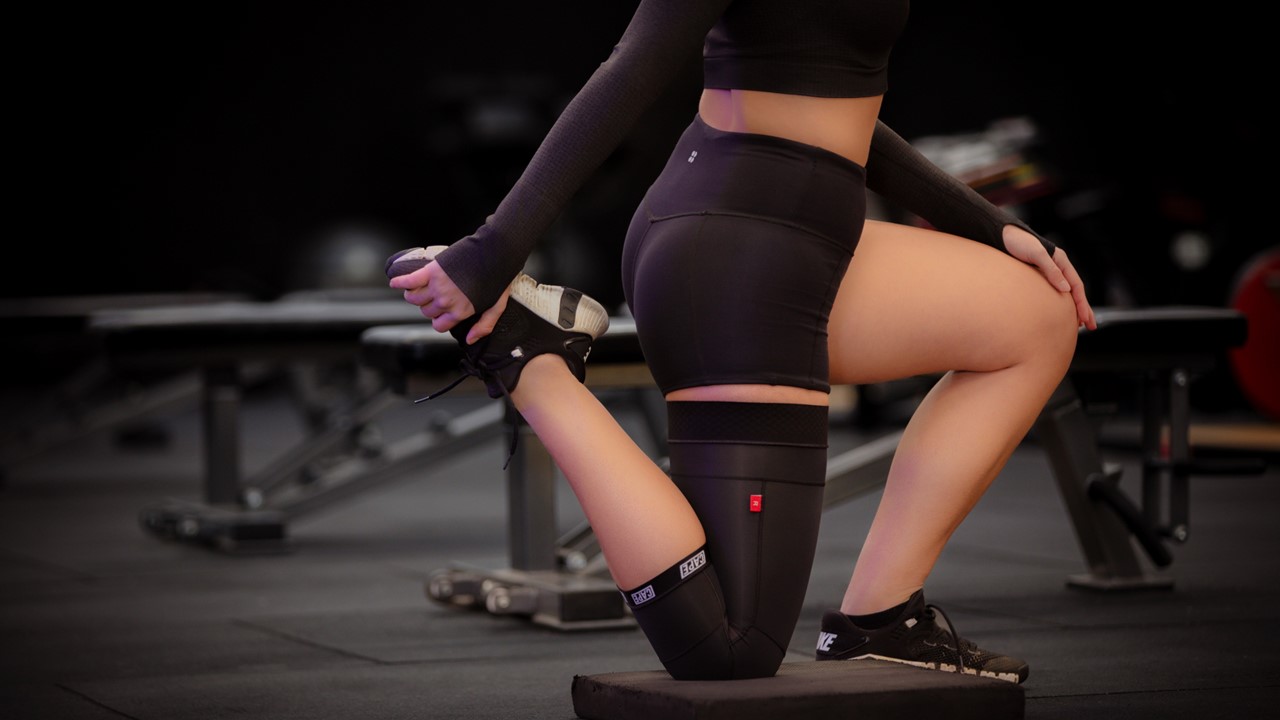
3D Scanning in your Clinic? Now It’s Possible.
•
August 7, 2025
•
Health
CAPE Bionics brings NASA and elite sports tech to allied health and your clinic – for FREE! We have an easy-to-use scanning …
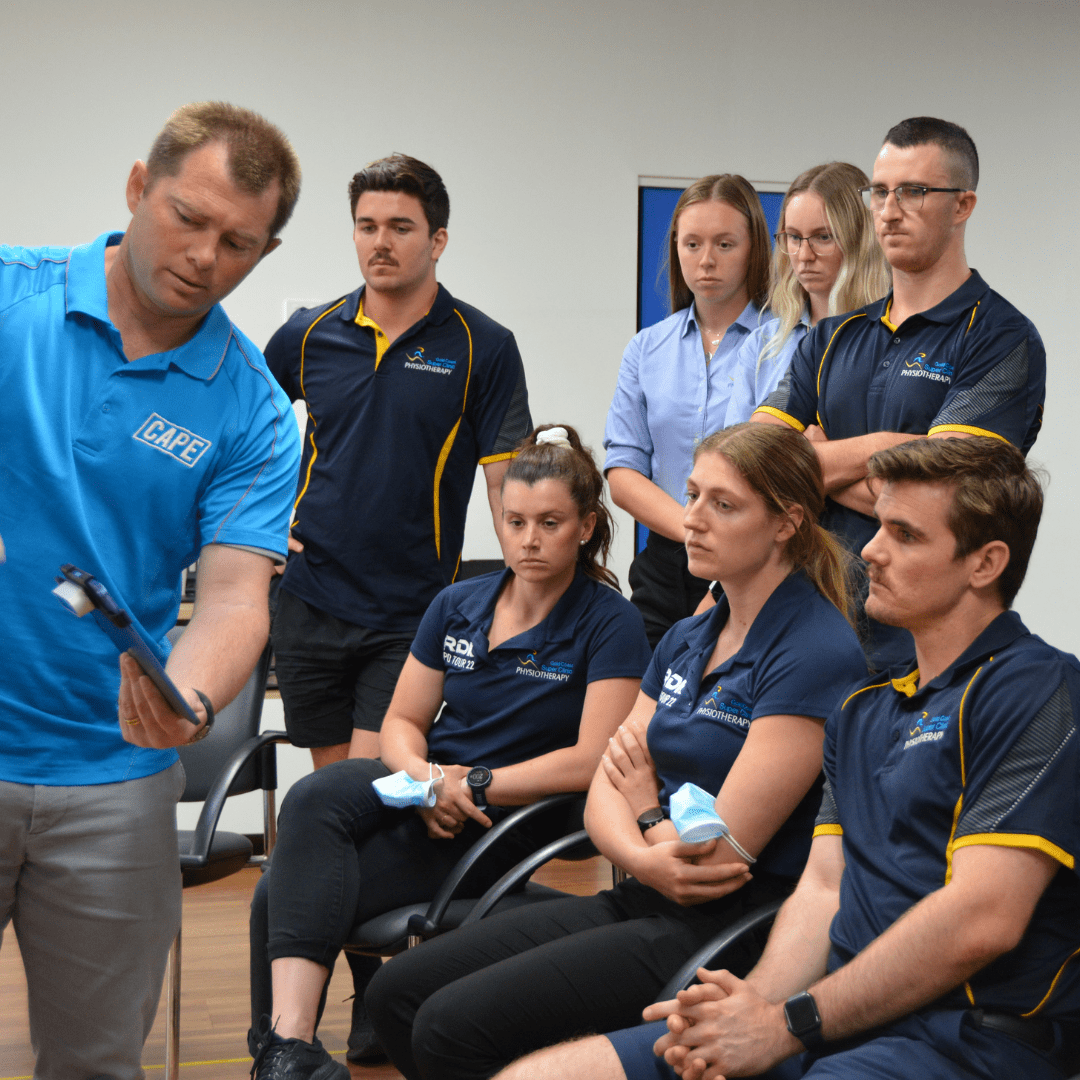
Why Clinics Love CAPE Bionics
•
July 24, 2025
•
Health
We’re proud to partner with clinics across Australia who are raising the bar in compression therapy. Here’s why clinics are choosing CAPE: …
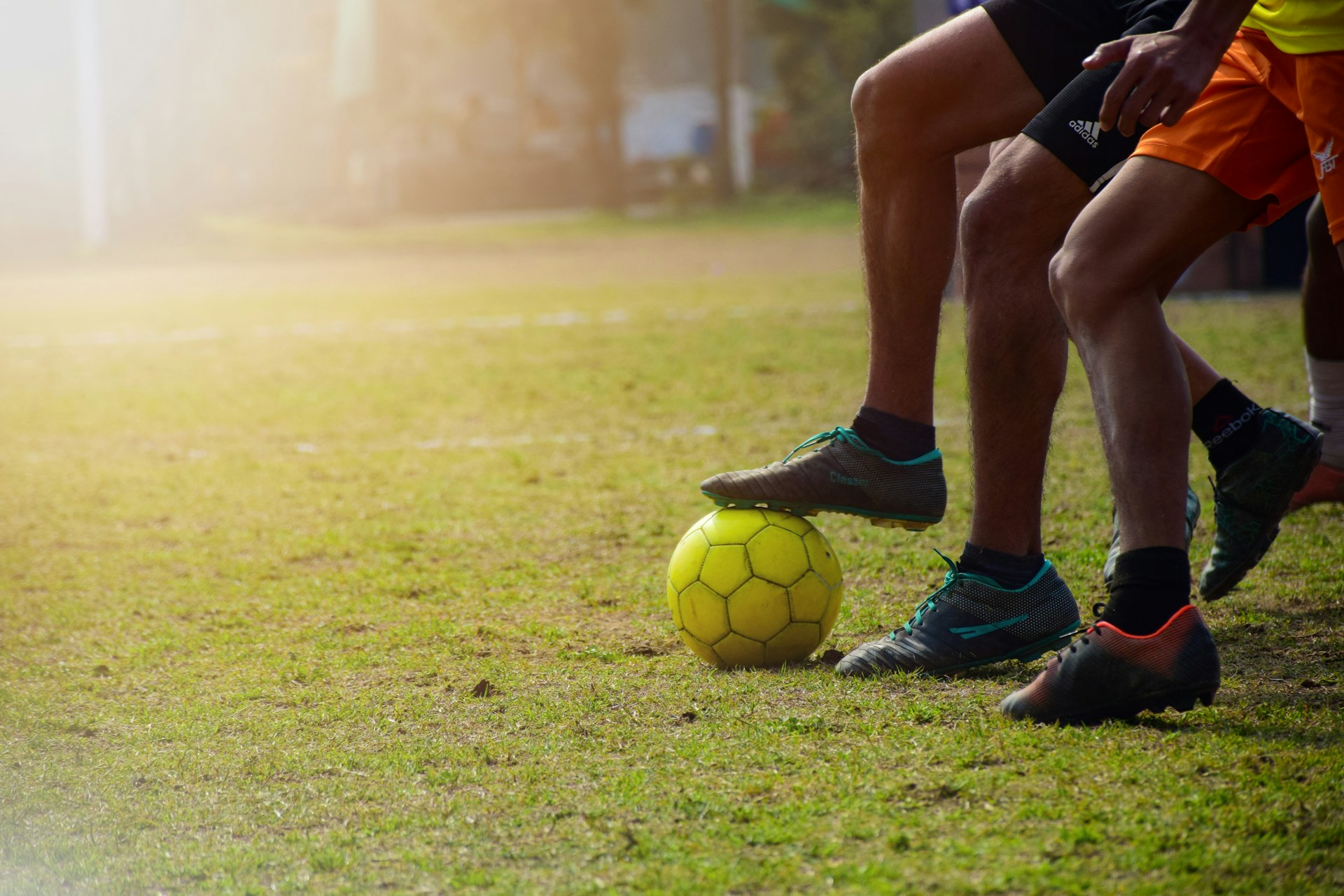
CAPE – What do professional sports teams think?
•
July 10, 2025
•
Athletes, Business
CAPE Bionics have revolutionised sports compression by providing custom fit medical grade compression. CAPE garments are sized to each individual based on …

With the start of the NBA season approaching, we look into the benefits of customised compression
•
June 23, 2025
•
Athletes
Physiological and recovery demands of NBA competition The sport of basketball involves repeated bouts of high intensity exercise with explosive activity such …
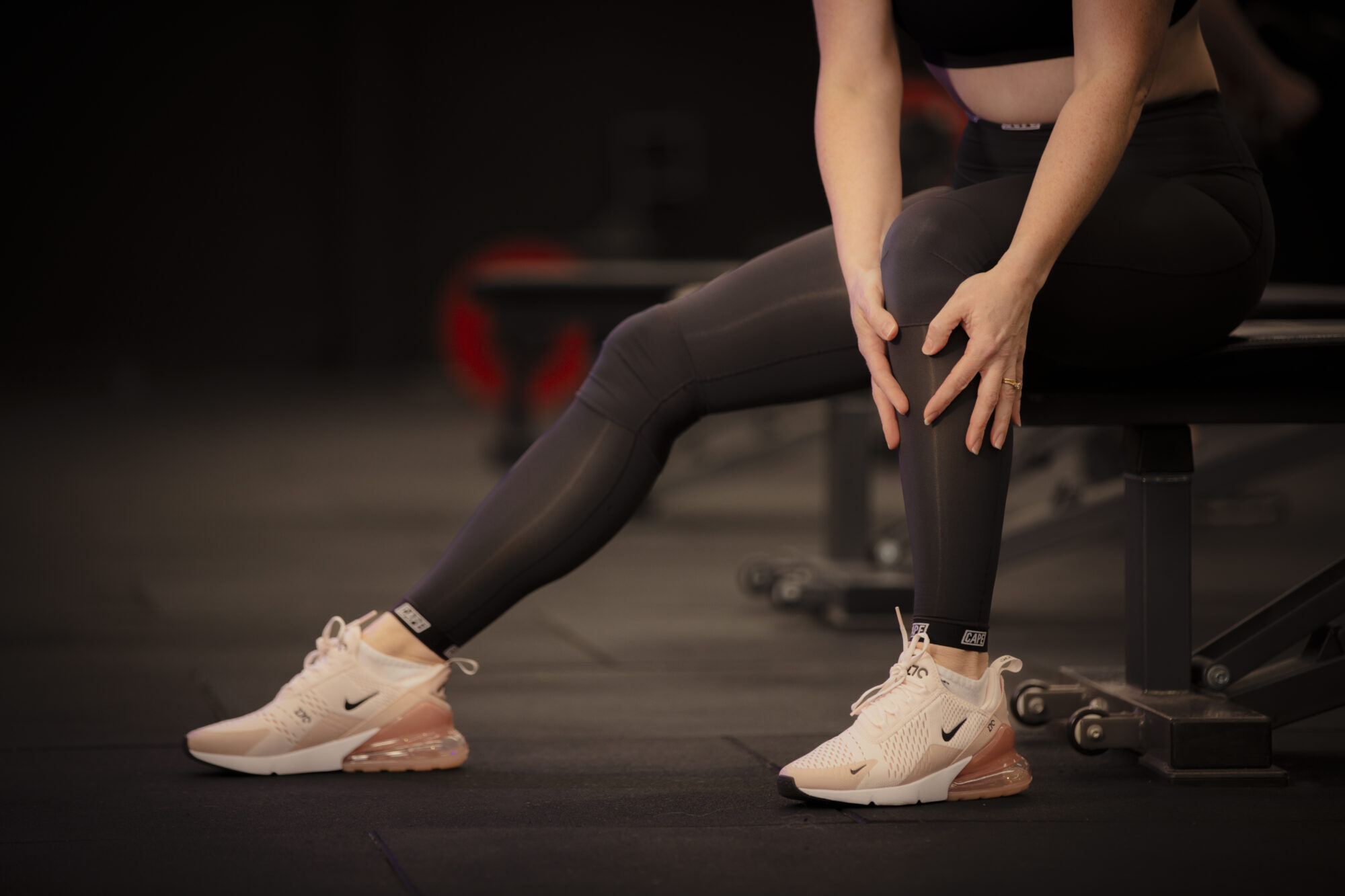
CAPE V Off the Shelf Compression brands – What’s the difference?
•
June 16, 2025
•
Athletes
CAPE are more than just another compression brand. CAPE garments are medical grade compression garments custom fitted to each individual based on …
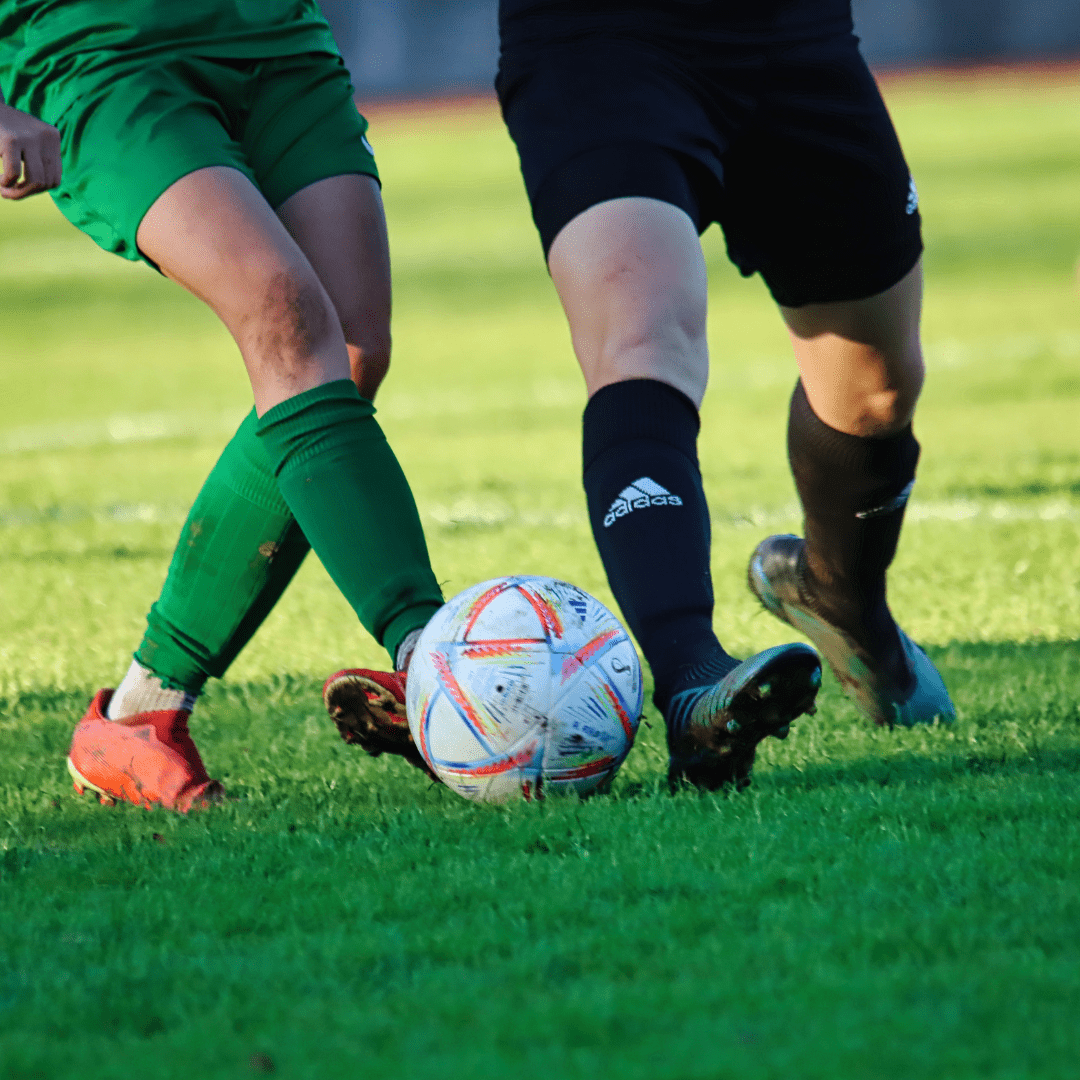
How can soccer players benefit from custom fit compression?
•
June 9, 2025
•
Athletes
Compression garments have been widely used by soccer players for many years. We take a look into the demands of the game, …
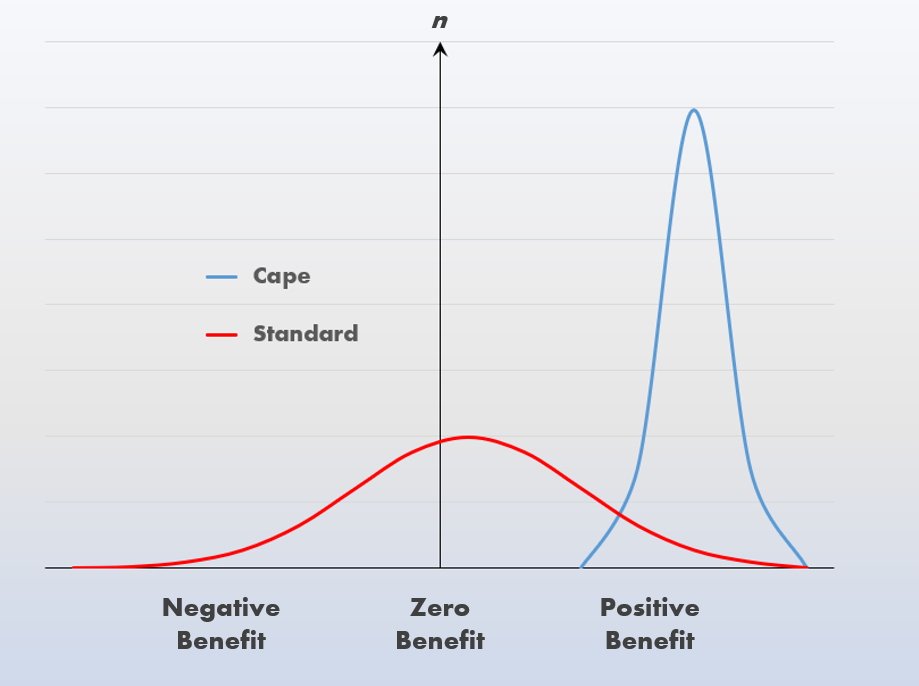
Custom fit compression – Positive benefits for every athlete
•
June 2, 2025
•
Athletes
Compression garments work but only if they fit perfectly and apply the correct compression regime. Research has shown that off the shelf …
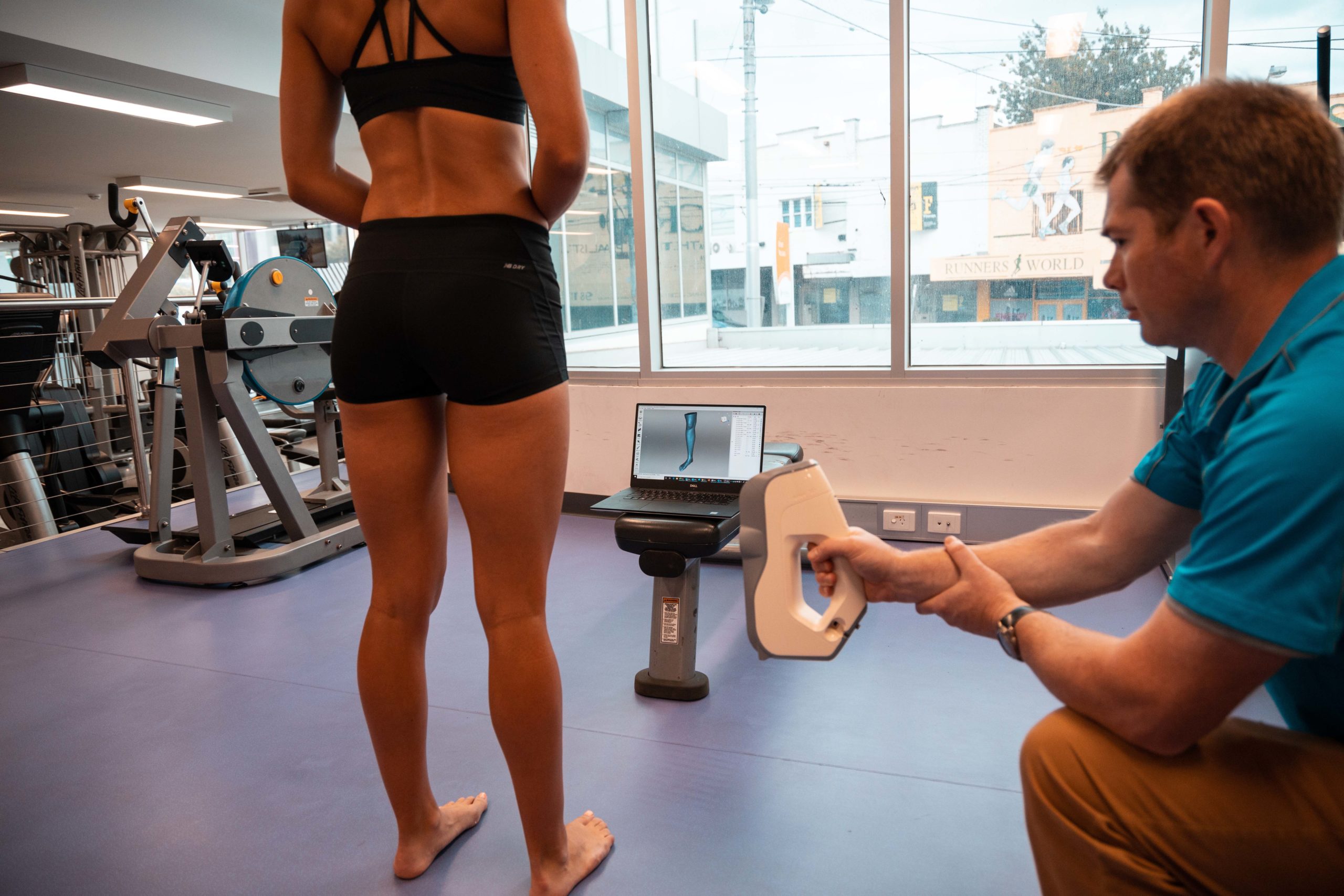
Custom Fit – The New World of Compression Part 3 – Professional Compression for Professional Athletes
•
May 19, 2025
•
Athletes
In our previous blogs we’ve introduced a new world of custom fit compression, highlighting differences between custom fit and standard sized compression …
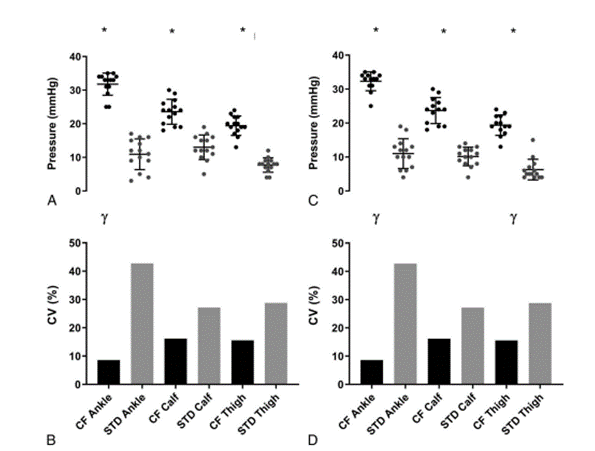
Custom Fit – The New World of Compression Part 2: Accurate compression with custom fit, variable pressure with standard sized garments
•
May 12, 2025
•
Athletes
Research has shown that custom fit compression results in faster recovery than standard sized (off the shelf) compression garments (Brown et al., …
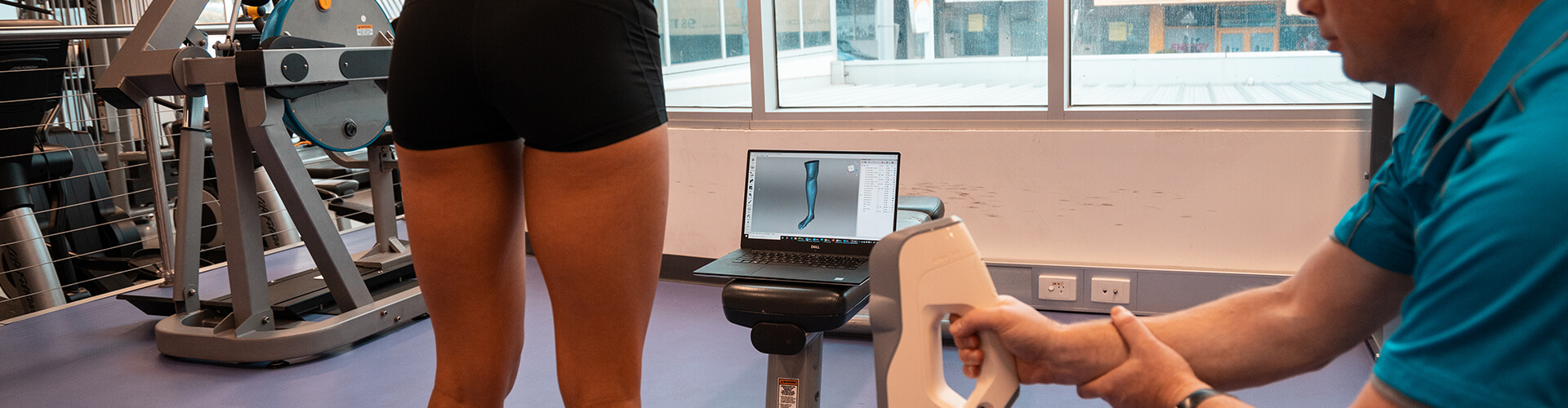
Custom Fit Compression – The new world of sports compression that actually works!
•
May 5, 2025
•
Athletes
Compression works, but only if garments fit correctly and apply optimal compression regimes. Introducing custom fit compression, the new world of medical …
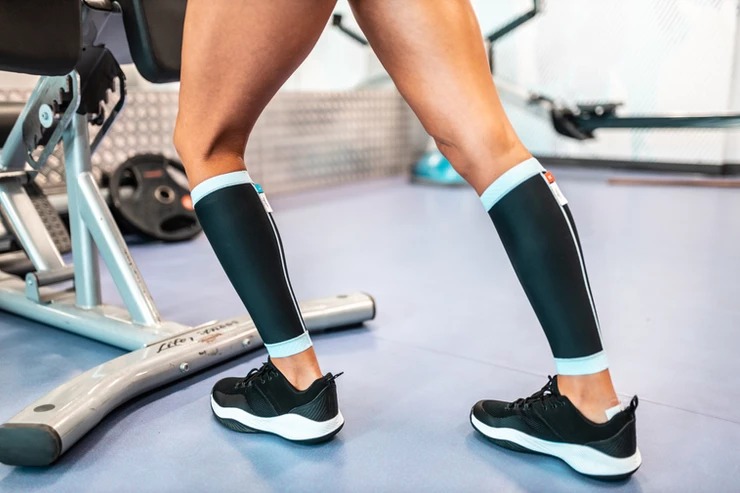
Why CAPE Garments are Better than Pneumatic Compression Devices
•
April 28, 2025
•
Athletes
Inflatable compression boots and arm sleeves have become a popular tool amongst athletes for improving recovery but what does the science tell …
Compression Garments – Athlete perception of recovery
•
April 14, 2025
•
Athletes
Research into the effectiveness of compression garments has focused largely on the impact on athlete recovery. Both objective and subjective markers have …

Compression Garments for Team Sports – What, When and How?
•
April 7, 2025
•
Athletes
Compression garments have been used by team sport athletes for many years to improve recovery and enhance performance. We take a look …
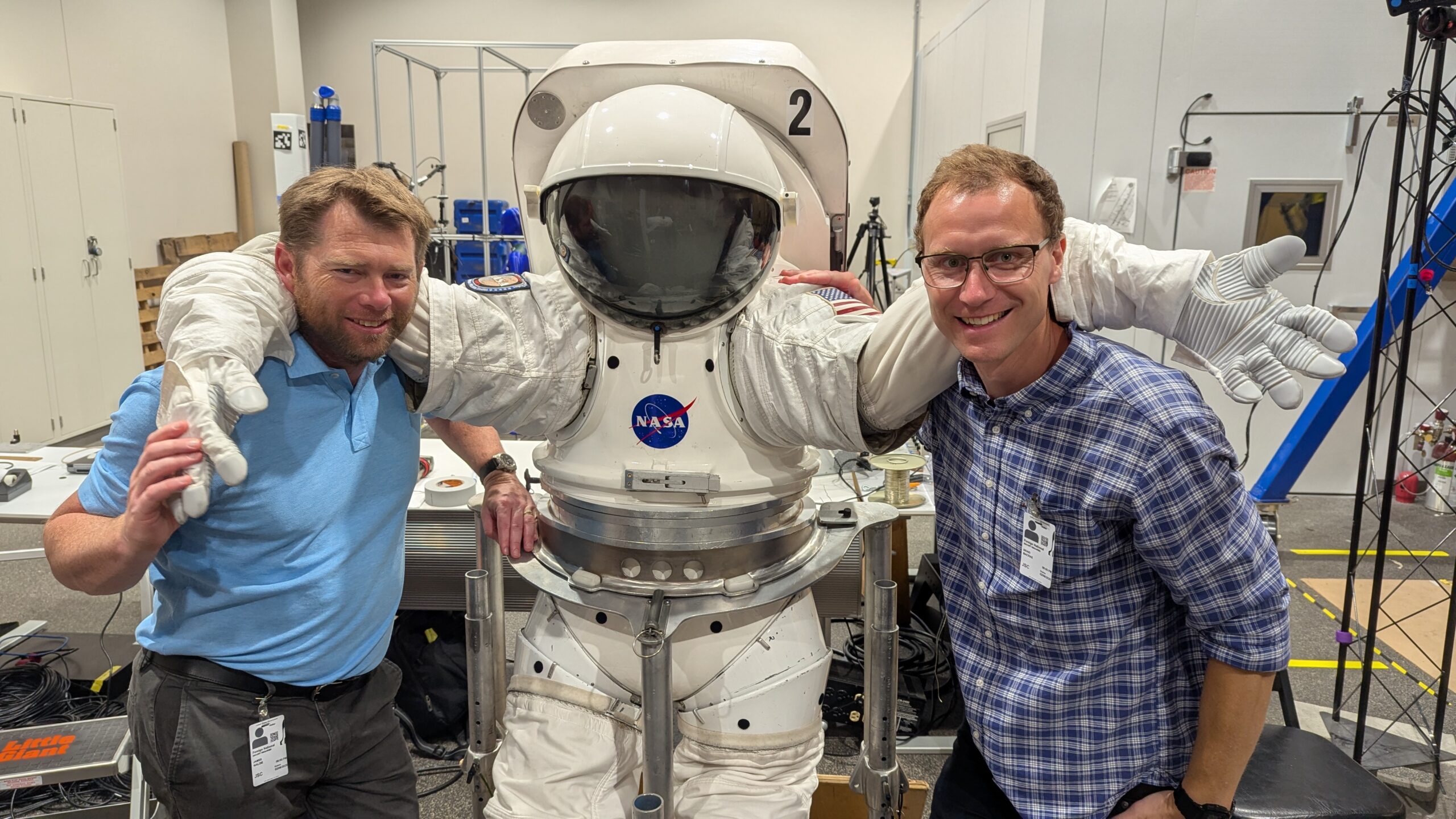
NASA selects CAPE
•
March 17, 2025
•
Business
CAPE started in space. The algorithms and theory of compression, and the importance of custom-fit, was derived through work of our founder …

Enhancing recovery in a busy schedule
•
March 11, 2025
•
Athletes
Multi-day sports events, whether it’s an intense multi-stage cycling race, cricket test match or major football tournament, demand effective recovery strategies to …

Introducing Jesse Holwell
•
March 4, 2025
•
Business
We are pleased to welcome Jesse Holwell, our new lead software engineer. Jesse will be in charge of developing, deploying and maintaining …
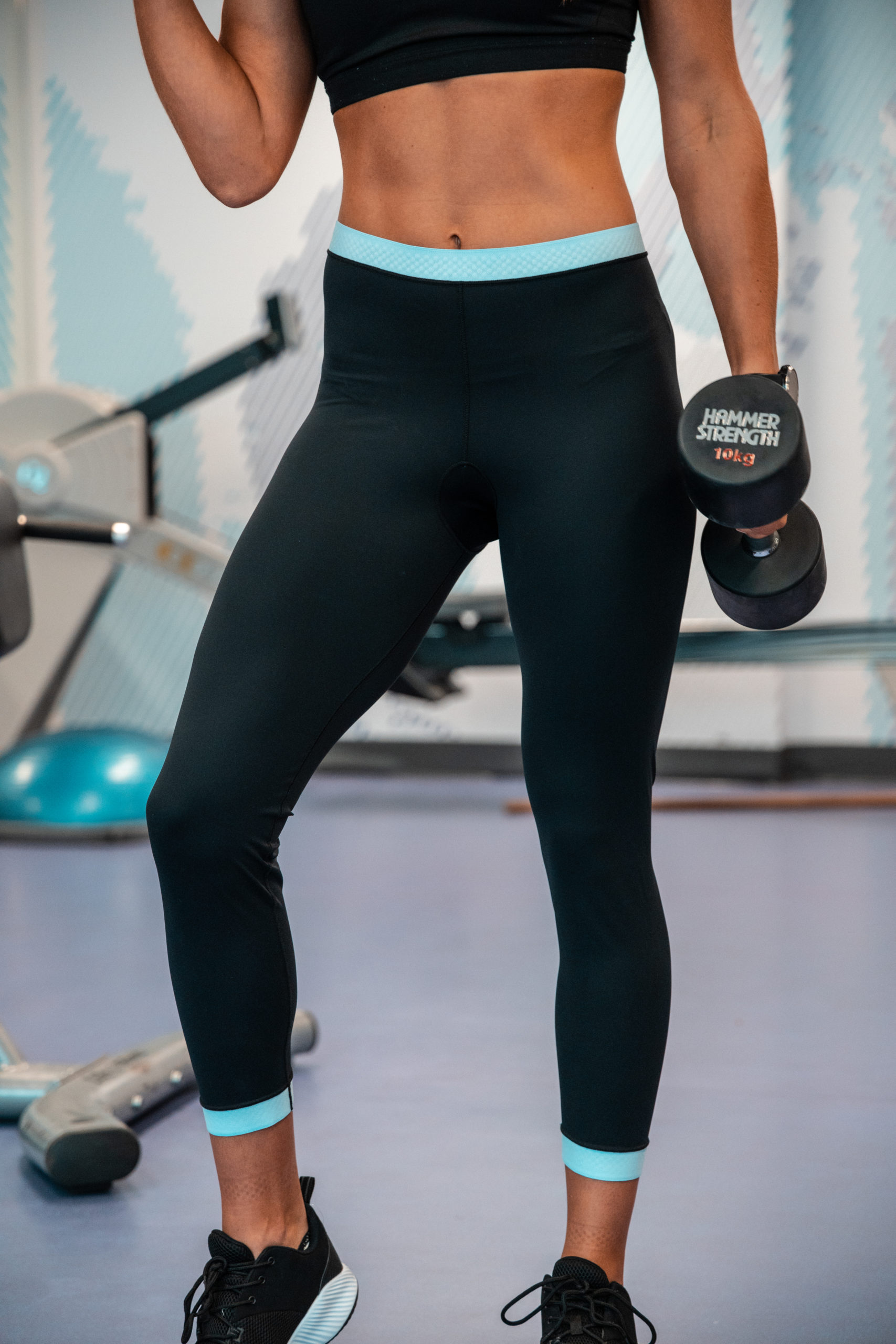
Why custom fit compression is so important
•
December 20, 2024
•
Athletes
Ever wondered why your compression garments aren’t working? Standard sized (off the shelf) compression garments are proven to provide variable compression and …
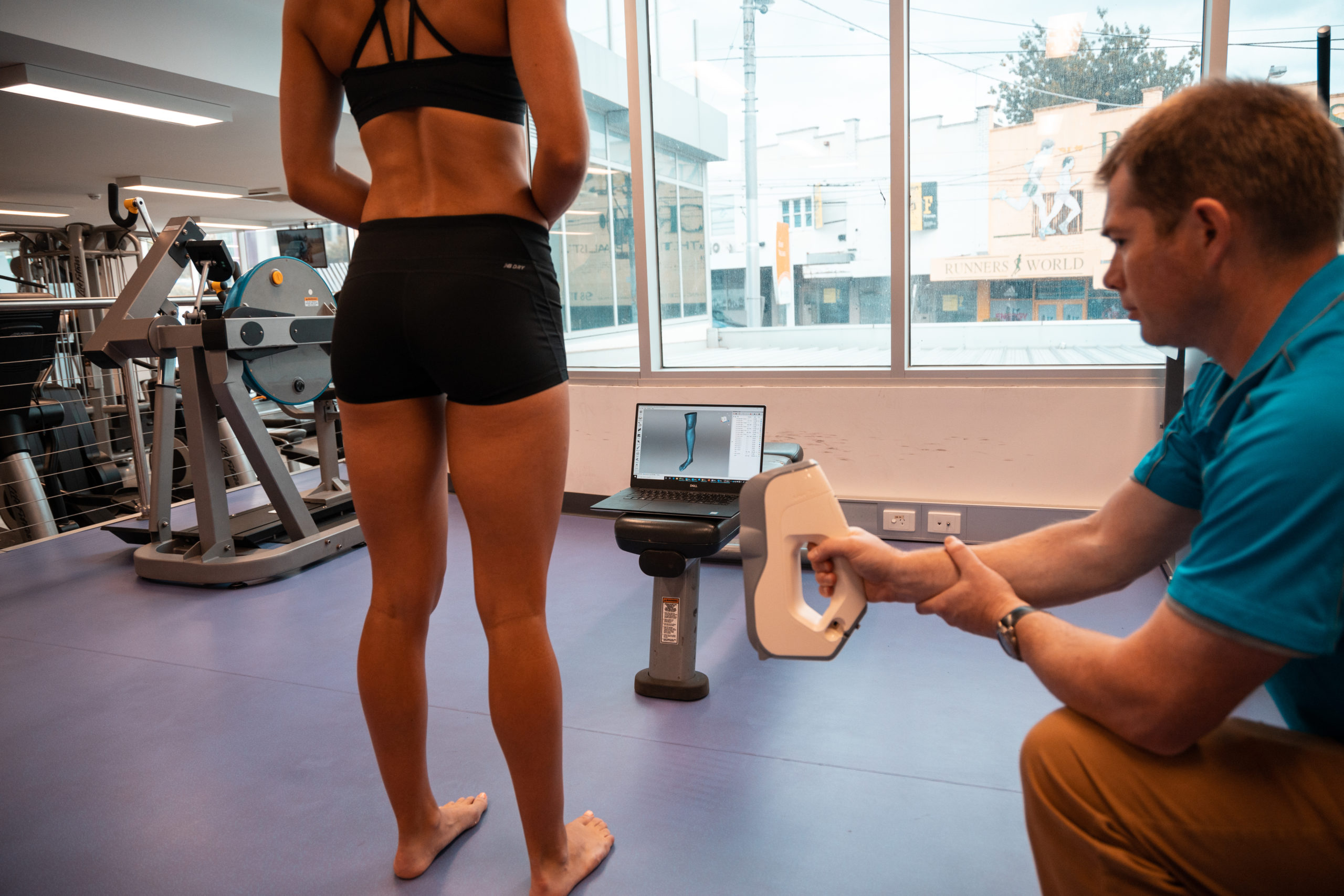
Why it’s impossible to achieve accurate and effective compression with standard sized compression garments.
•
November 28, 2024
•
Athletes
For compression garments to be effective, the compression regime must be accurate. Standard sized (off the shelf) compression garments have generic sizes …
Not all compression garments are the same: The differences between sports compression garments and medical grade custom fit
•
October 30, 2024
•
Athletes
You may think all compression garments are the same, however there are significant differences between standard sized sports compression garments and custom …
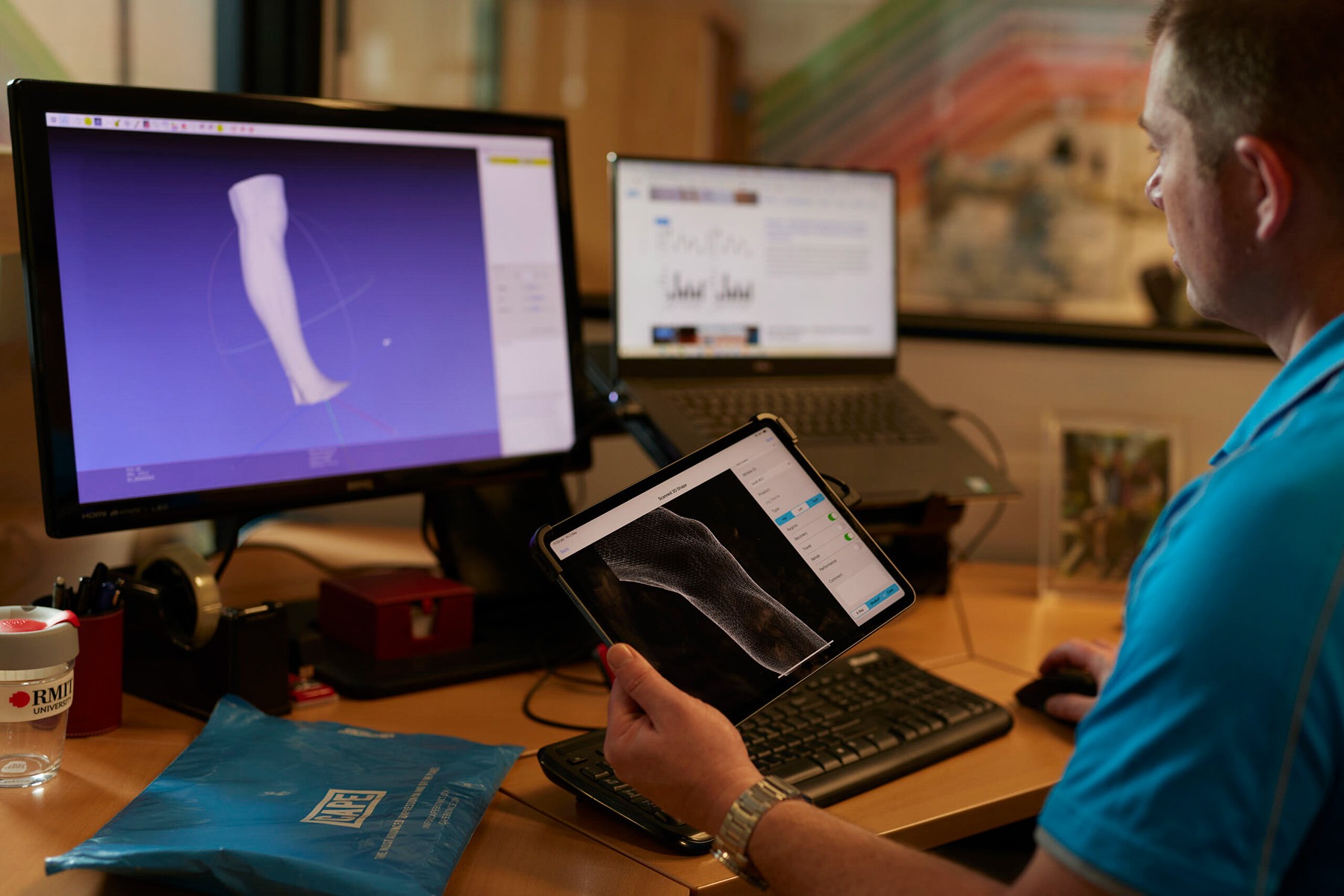
How CAPE’s world leading technology has revolutionized compression
•
October 9, 2024
•
Athletes
In the compression world, accuracy matters. CAPE garments are sized to each individual based on a unique 3D scanning process and our patented …

How can professional football players benefit from custom fit compression?
•
August 20, 2024
•
Athletes
Players may not fully recover between games in such congested seasons, and this may impact performance on the field. Players participating in …

Custom fit compression improves player recovery
•
July 9, 2024
•
Athletes
Fixture congestion in team sports reduces time available for player recovery, increases injury risk and can affect player wellbeing. This can reduce …
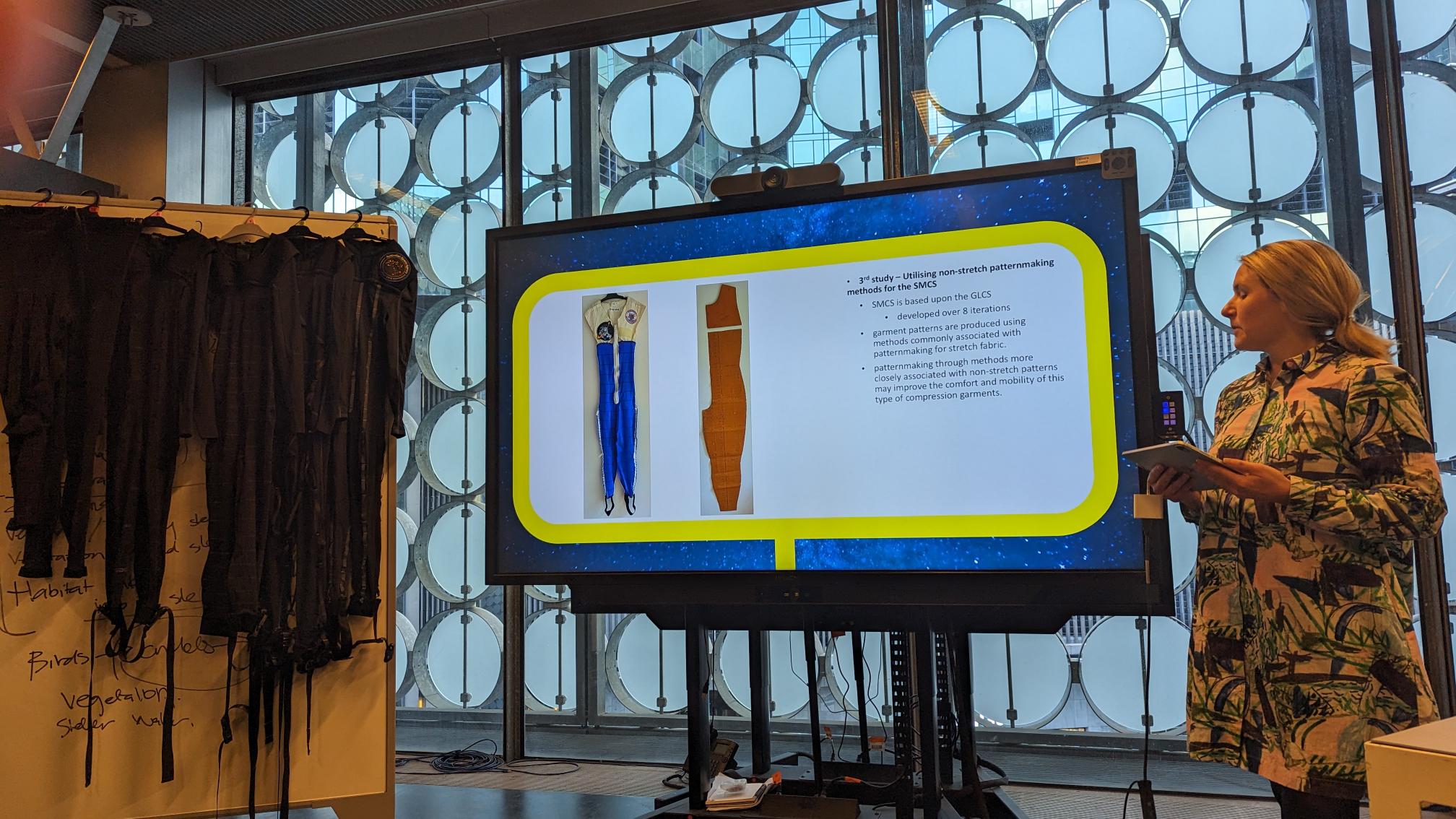
Congratulations Ruth Bunford – PhD progress presentation
•
June 12, 2024
•
Business
Congratulations to Ruth Bunford on her progress presentation – well on her way to her PhD! Ruth is supervised by James Waldie …
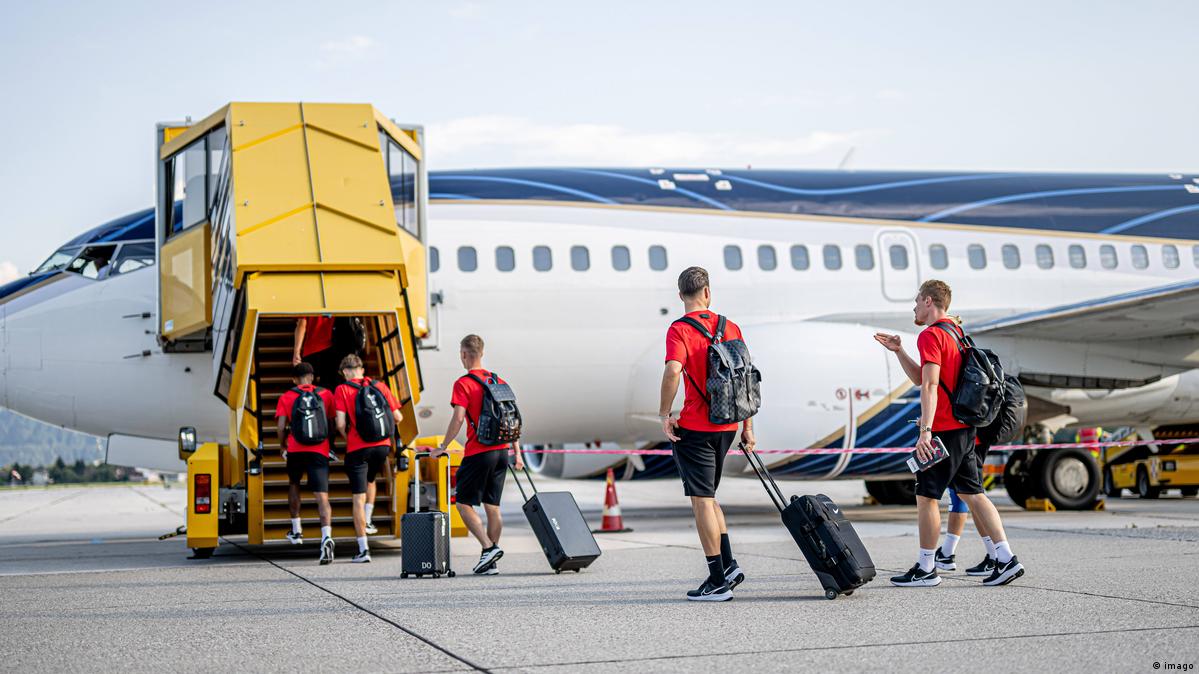
Travelling soon? Why custom fit compression garments are so important.
•
June 3, 2024
•
Athletes
Air travel can increase the risk of deep vein thrombosis (DVT) and other circulatory problems due to prolonged periods of reduced mobility. …

When NASA and the European Space Agency call – Cape answers
•
April 30, 2024
•
Athletes
3D scanning allows us to produce highly accurate and beneficial custom-fit compression garments. Scanning is much faster than traditional measuring tapes, it takes …
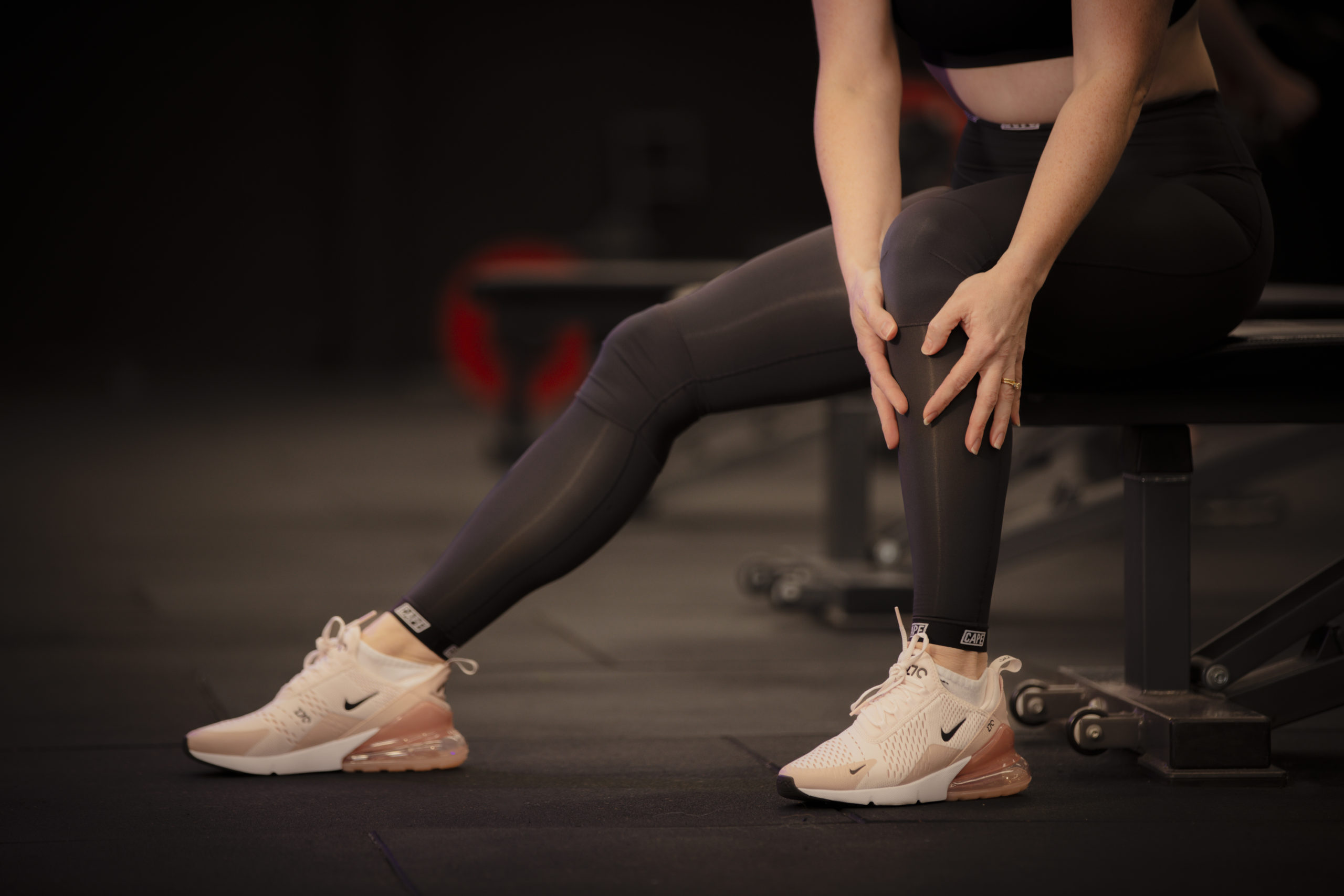
Introducing the new CAPE Custom-fit Therapy range
•
March 12, 2024
•
Athletes
CAPE now offers you more garments! Introducing the new CAPE custom-fit Therapy range, with specific garments for rehabilitation, joint stability, exercise recovery …
New Year – New Compression
•
January 18, 2024
•
Athletes
With the start of the new year, it’s time to rethink compression. Until recently athletes could only choose retail compression, which …
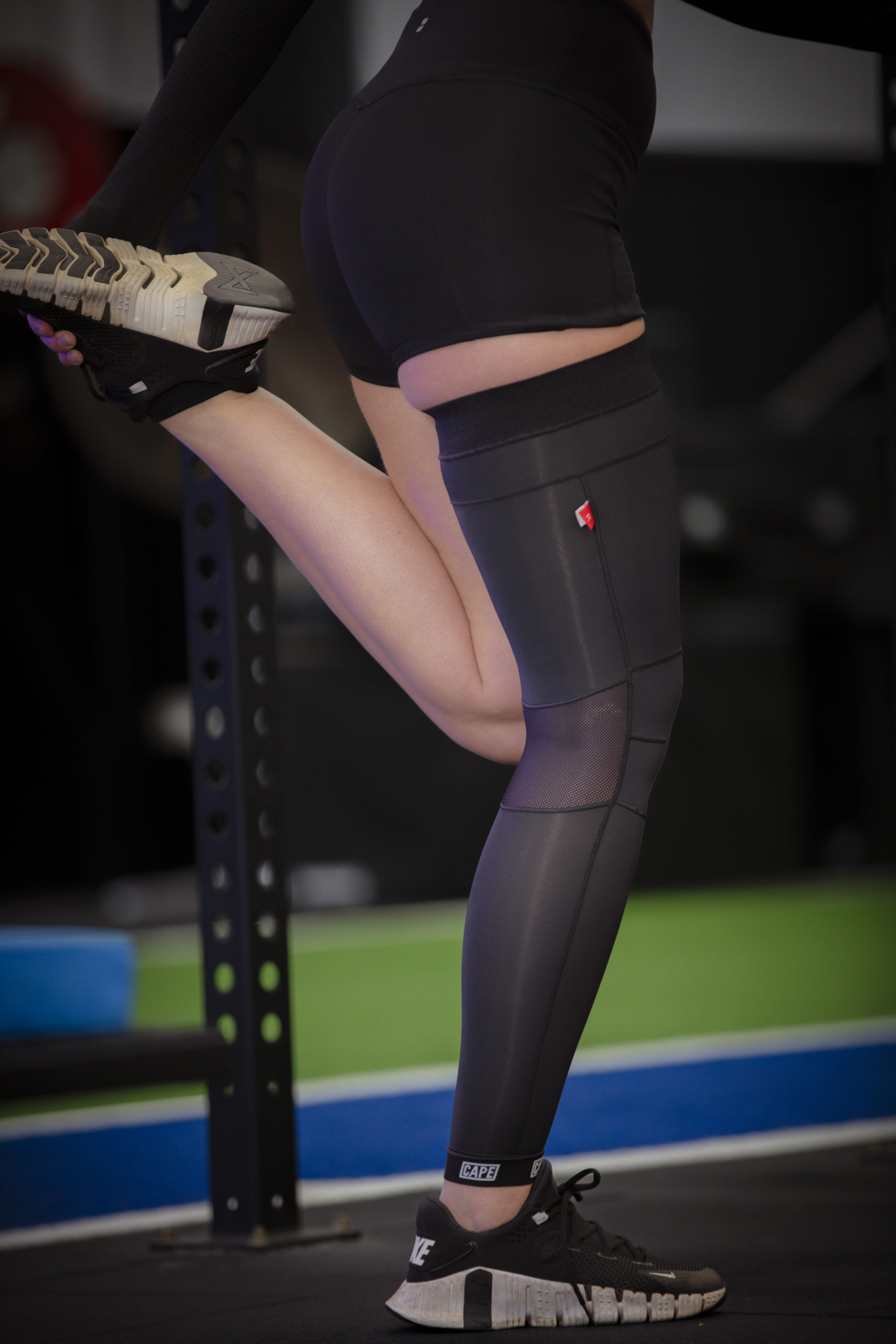
Can compression garments assist in reducing risk of injury?
•
December 8, 2023
•
Athletes
Compression garments have been shown to improve athlete recovery, but what about injury prevention? We take a look into some of the …

Introducing Lindsay Trimmings
•
November 23, 2023
•
Business, Athletes
For the past decade, I have worked for Swim England, the National Governing Body for Aquatic sport in England. I was initially …
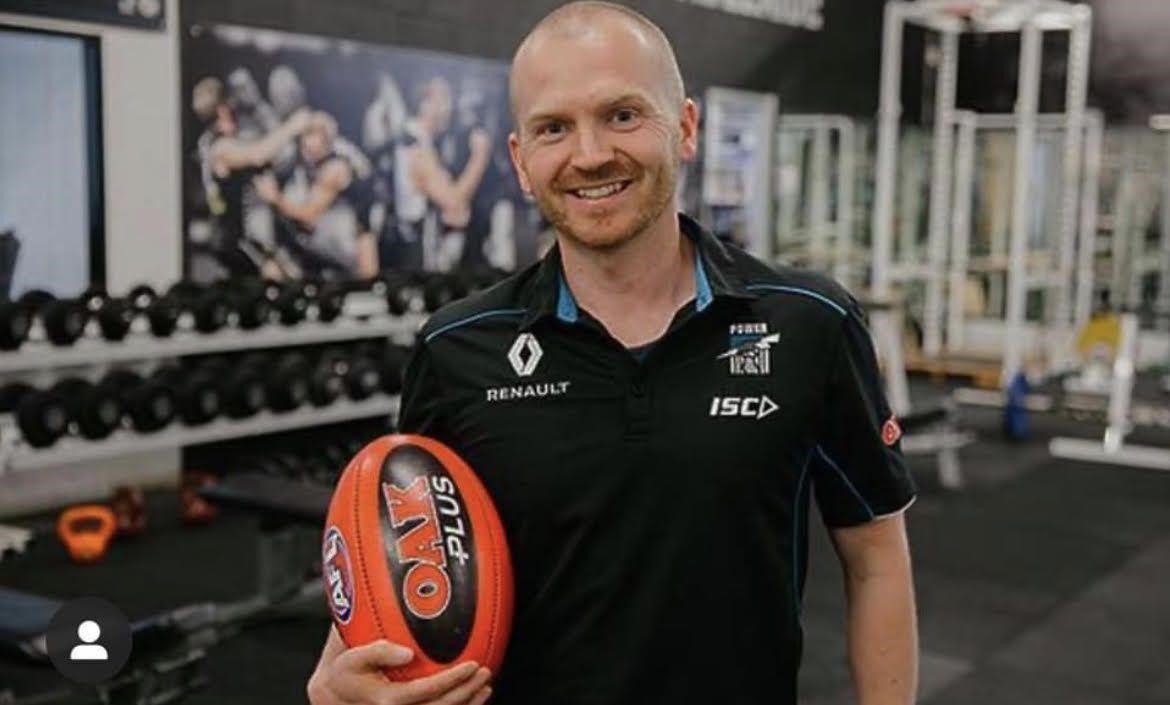
“It takes our level of care and player recovery to the next level” Dr Ian McKeown on 3D-scanned compression
•
November 3, 2023
•
Athletes
Dr Ian McKeown, Vice President of Athlete Performance and Wellness, at the Philadelphia Flyers, always wants to make sure his players feel …

Space Science to Sport Science – Revolutionising compression garments for elite athletes
•
June 30, 2023
•
Athletes
CAPE Bionics have revolutionised athletic compression wear by using scientific principles from the design of spacesuits to produce the most advanced compression …

Introducing Sam Feldman – US Business Development Manager
•
May 18, 2023
•
Athletes, Business
We are pleased to welcome Sam Feldman to the CAPE team as our US Business Development Manager. Sam is a Certified Strength …

Introducing Samuel Lewis – PhD Scholar
•
April 24, 2023
•
Athletes, Business
We are pleased to welcome Samuel Lewis as a PhD Scholar working in collaboration with CAPE, Queensland University of Technology and the …

Kicking off the 2023 season. How team sport athletes can get an advantage from custom fit compression.
•
March 9, 2023
•
Athletes
With the start of the NRL season underway and the AFL season just days away, we look into how team sport athletes …
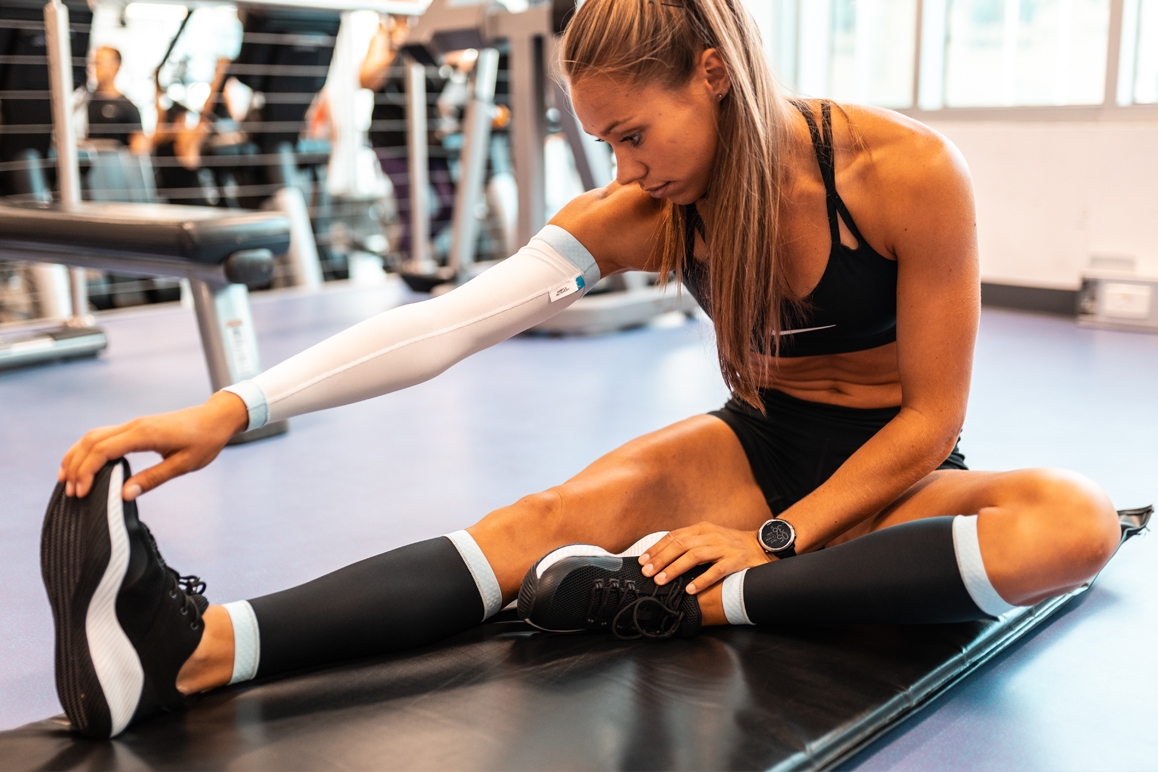
Custom fit compression, the best value recovery device you can own.
•
February 10, 2023
•
Athletes
Many devices and modalities are used by athletes to facilitate recovery, however nothing provides greater value for money than custom fit compression. …

Has the ice age finally ended? Is it time for the space age to lift off?
•
December 15, 2022
•
Athletes
For many years athletes have been using ice baths (cold water immersion) to enhance recovery. Ice is also commonly used in the …
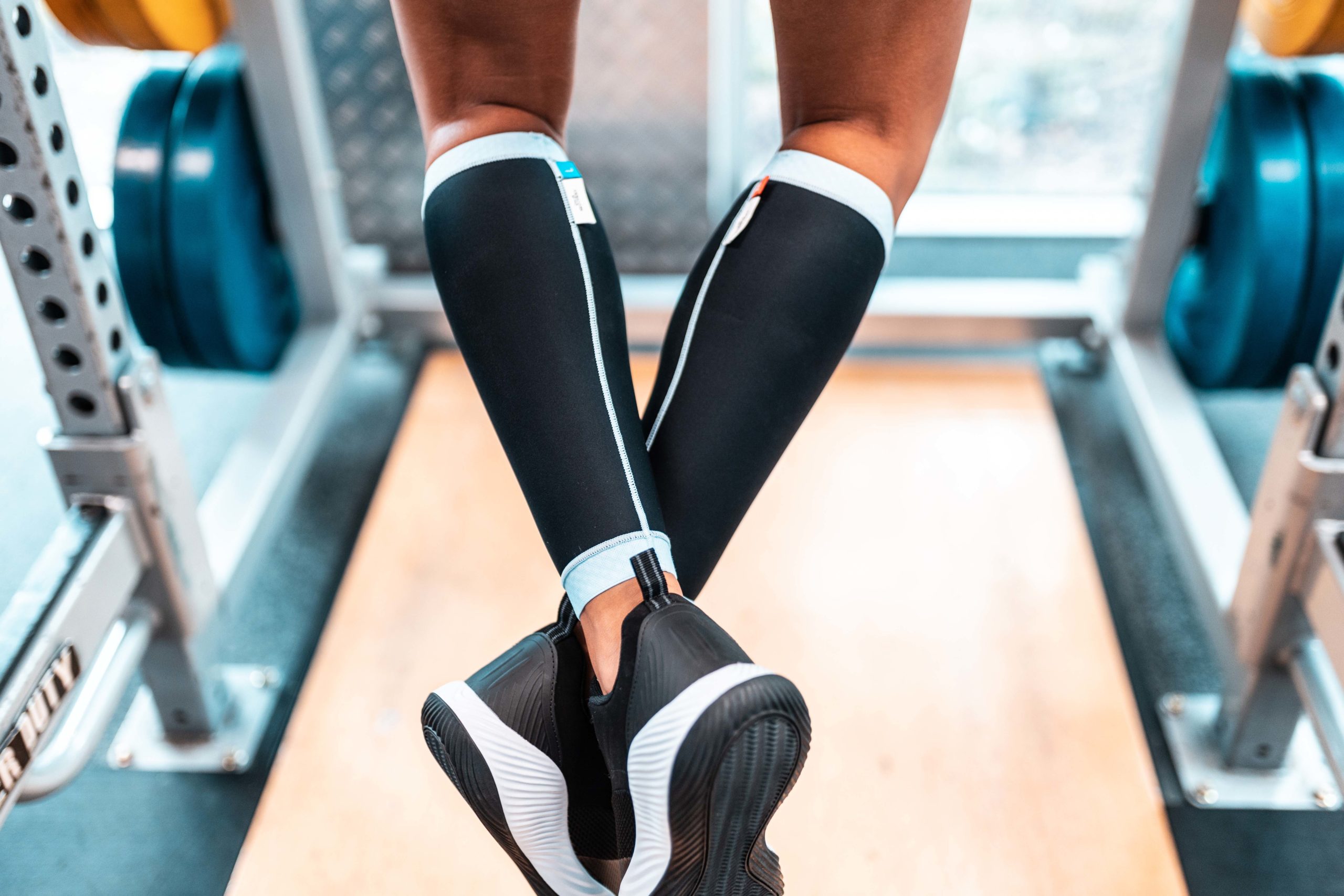
Compression Garments – Sports Grade Standard Fit V Medical Grade Custom Fit
•
November 24, 2022
•
Athletes
The use of compression garments originated in the medical industry as a means to treat conditions such as burns, deep vein thrombosis, …

Recovery and Travel compression for Ironman World Championship
•
October 18, 2022
•
Athletes
Our Sports Physiologist Dr Annette Eastwood recently travelled to Hawaii to compete in the Ironman World Championships. We caught up with Annette …

Research Spotlight 2 – Pressure variability in commercial fit compression
•
October 10, 2022
•
Athletes
Commercially available compression garments (off the shelf garments) are sized to an athlete based on measures of height and weight. By looking …

Why are custom fit compression garments so important for travel?
•
October 5, 2022
•
Athletes
CAPE founder and CEO Dr James Waldie has spent over 18 years researching compression. His initial research with NASA involved developing compression …
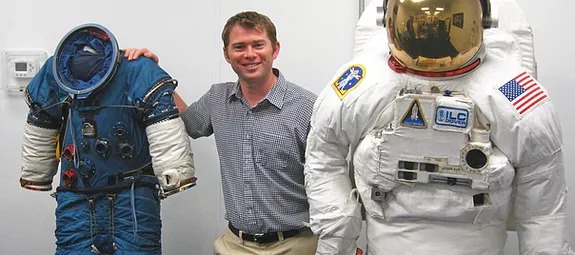
CAPE: Proven by astronauts, now available to elite athletes
•
September 21, 2022
•
Athletes
CAPE produces a special sleeved garment, individually-sized from 3D athlete scans, to impose a unique and optimum pressure for either performance, recovery, …
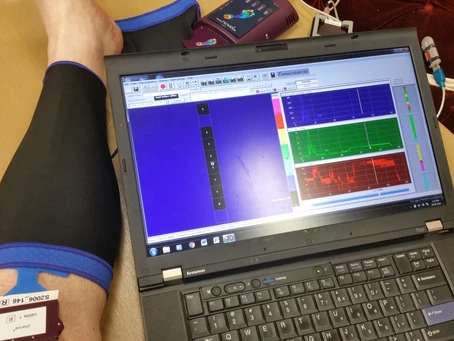
Research Spotlight – Custom Fit V Commercial Compression
•
September 6, 2022
•
Athletes
Custom fit compression is a new world of compression for elite athletes. Sized specifically to each individual to ensure accurate fit and …

Compression garments for athlete performance and recovery. Current research and future directions.
•
August 16, 2022
•
Athletes
The effects of compression garments on performance and recovery have been widely researched over many years. So, what is the current research …

Compression garments for soccer performance and recovery
•
August 9, 2022
•
Athletes
Compression garments have been widely used by soccer players for many years. We take a look into the demands of the game, …
Space Science and Sport Science. What do astronauts and elite athletes have in common?
•
July 26, 2022
•
Athletes
Whilst you might think astronauts and elite athletes are a world apart, they do have one thing in common. Both can benefit …
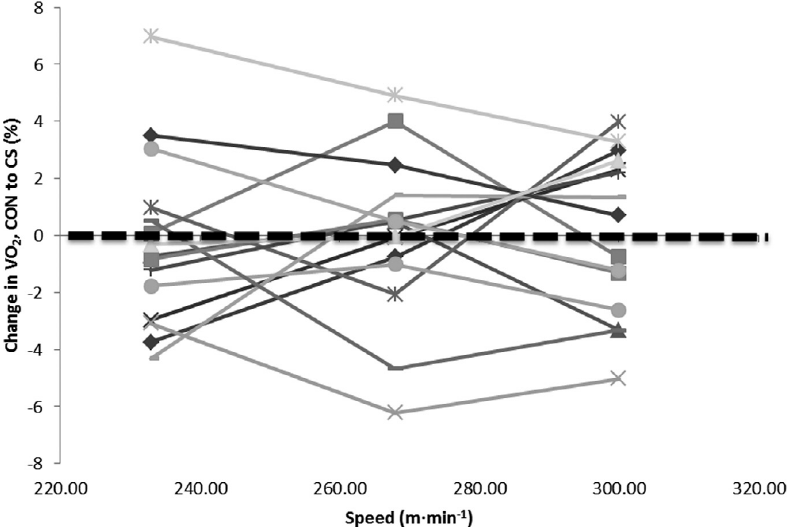
Compression garments for running, why is custom fit so important?
•
July 4, 2022
•
Athletes
Compression garments have been worn by runners for many years but what does the research say about compression garments for running performance …

Introducing Tom Swalm – CAPE Bionics Director of Business Development
•
June 10, 2022
•
Business
Introducing Tom Swalm – Director of Business Development Tell us about yourself and your background in the sports / medical field. I …

Why AFL teams choose CAPE Compression Garments
•
February 23, 2022
•
Athletes
With the start of the AFL season just a few weeks away, we look into the benefits of CAPE custom fit compression …
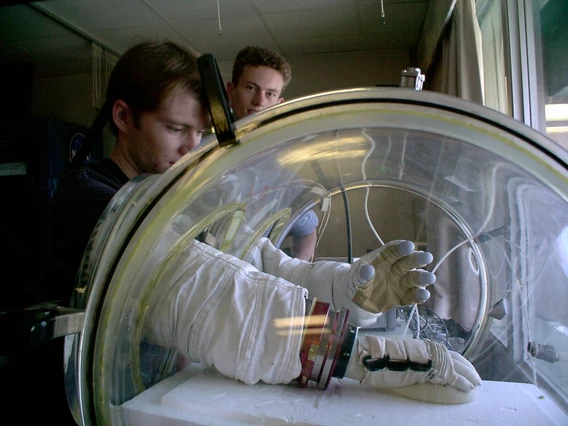
New Year – Time to rethink compression!
•
January 6, 2022
•
Athletes
With the start of the new year, it’s a good time to consider whether you are getting the most of out of …

Dr Annette Eastwood caught up with PhD Scholar Shane O’Riordan to discuss research in compression
•
October 1, 2021
•
Athletes
CAPE Physiologist Dr Annette Eastwood caught up with Shane O’Riordan to discuss his research in compression. Shane who is originally from Ireland, …

The Benefits of Custom Fit Compression Garments for Paralympic Athletes
•
August 27, 2021
•
Athletes
With the Paralympic Games underway, we look at the research into the benefits of compression garments for Para athletes and discuss the …

How Space-focussed and Terrestrial-focussed crossover with customised compression wear. Part 2.
•
August 19, 2021
•
Athletes
Wearing a compression garment is a bit like getting a localised, encapsulating hug from an item of clothing! But how tight should …
How Space-focussed and Terrestrial-focussed crossover with customised compression wear. Part 1.
•
August 10, 2021
•
Athletes
Wearing a compression garment is a bit like getting a localised, encapsulating hug from an item of clothing! But how tight should …

How can Olympic athletes benefit from compression garments?
•
July 29, 2021
•
Athletes
With the Tokyo Olympics underway, it’s an ideal time to look at how Olympic athletes can benefit from compression garments. Compression garments …

Dr Annette Eastwood, Sports Physiologist and Ultra-endurance athlete!
•
July 18, 2021
•
Athletes
Our Sports Physiologist Dr Annette Eastwood has worked with hundreds of elite and Olympic athletes, but she is also an ultra endurance …
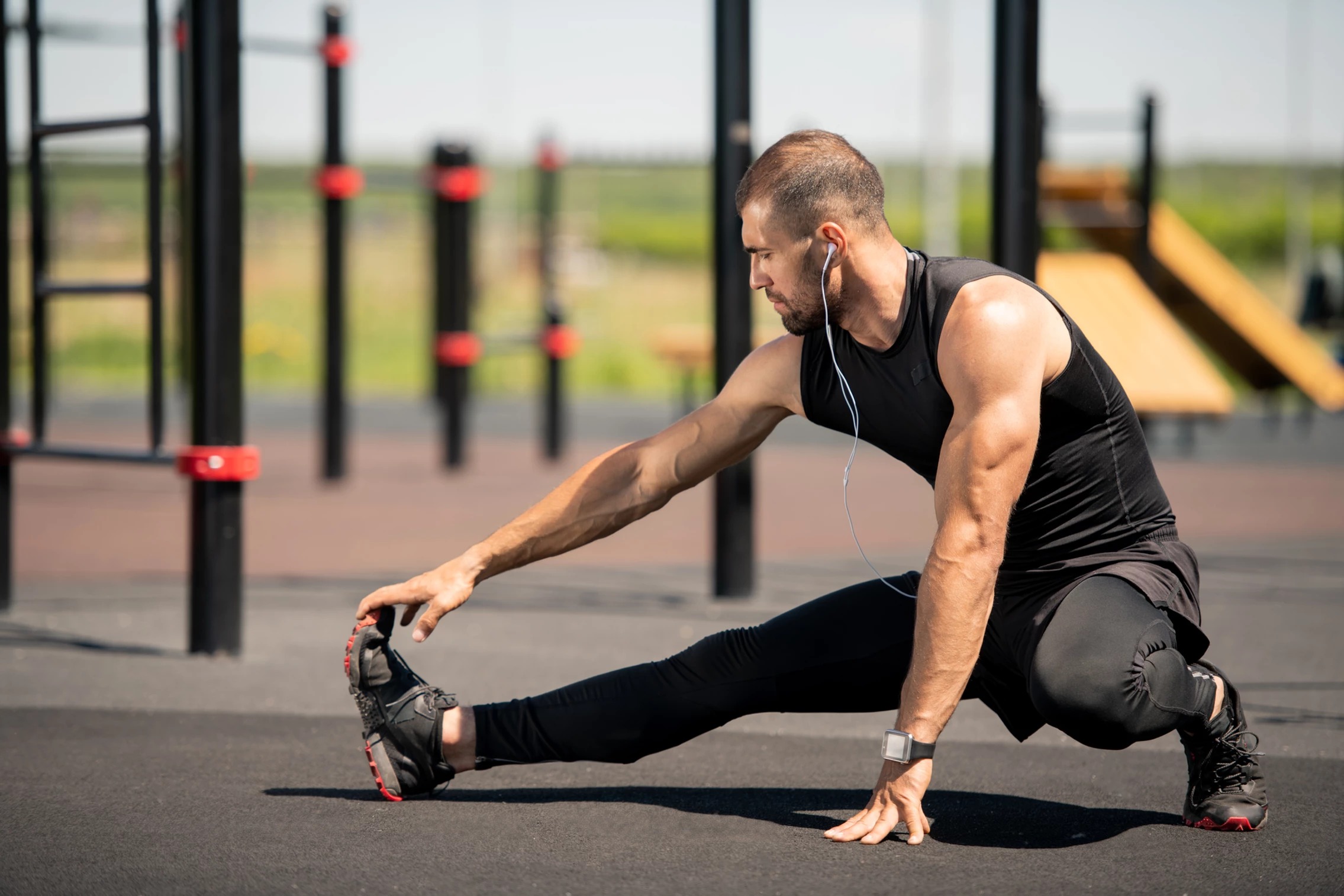
Compression Garments – Fact V Fiction
•
May 26, 2021
•
Athletes
Compression garments have been used widely by elite and recreational athletes for many years. However, there are a number of myths surrounding …
CAPE Bionics History and the future of Compression Garments
•
May 5, 2021
•
Athletes
Introducing our very first Vlog about CAPE Bionics and the journey that we have been on to bring Elite Sports Athletes simply …

CAPE compression garments – For travel both on and off the planet!
•
April 26, 2021
•
Athletes
Pictured Above – AFL Club Port Adelaide Team wearing CAPE Bionics Custom Compression calf sleeves. CAPE founder and CEO Dr James Waldie …
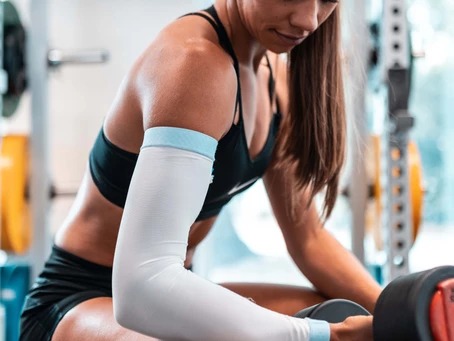
Compression Garments – Sports Grade Standard Fit V Medical Grade Custom Fit
•
March 23, 2021
•
Athletes
The use of compression garments originated in the medical industry as a means to treat conditions such as burns, deep vein thrombosis, …
Customised Compression – The future of compression garments
•
January 18, 2021
•
Athletes
With the start of a new year and a new season approaching, many teams are looking at ways to optimise athlete performance …
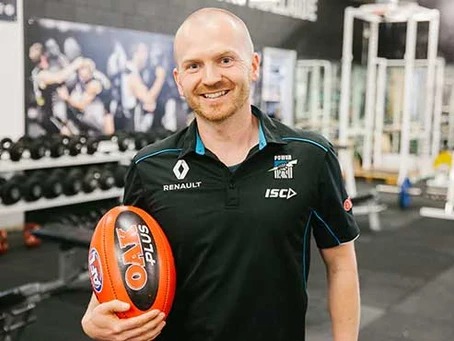
CAPE speak to Dr Ian McKeown Head of High-Performance from Port Adelaide on custom compression
•
December 21, 2020
•
Athletes
2020 has been a year like no other, particularly for elite sport. The 2020 AFL season has posed significant challenges for players …
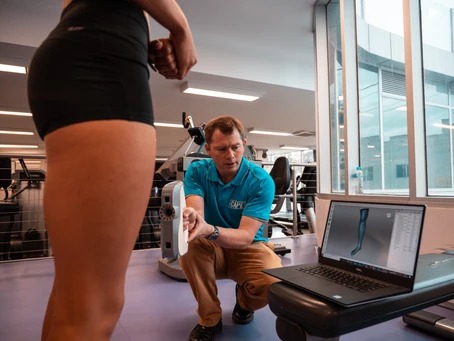
Compression Garments – Current research and future directions.
•
November 26, 2020
•
Athletes
The effects of compression garments on performance and recovery have been widely researched over many years. So, what is the current research …
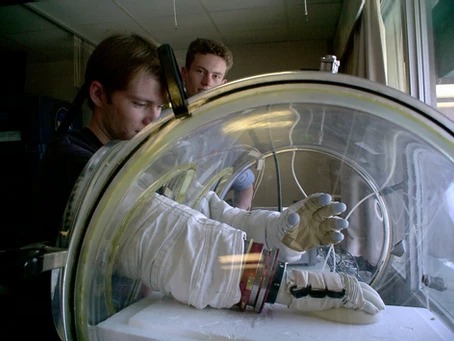
Applying Space Science to Sports Science
•
November 2, 2020
•
Athletes
Elite athletes are always looking for a competitive edge in terms of performance and recovery. Cape Bionics apply the scientific principles of …
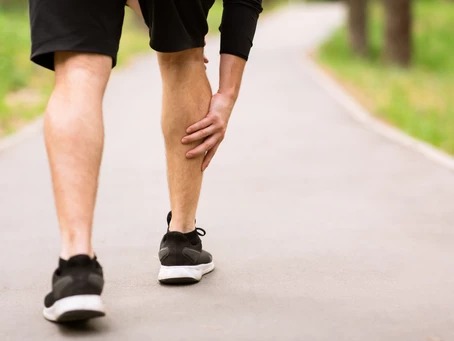
The end of the ice age and start of the space age? Part 2 – Injury Management
•
October 19, 2020
•
Athletes
In Part 1 of “The end of the ice age and start of the space age” we discussed the pro’s and cons …

The end of the ice age and start of the space age?
•
October 7, 2020
•
Athletes
For many years athletes have been using ice baths (cold water immersion) to enhance recovery. Ice is also commonly used in the …

Australian Football League challenges with a 4 day turnaround
•
September 16, 2020
•
Athletes
An AFL game is one of the most physically demanding team sports. In a typical game, players can cover over 12km of …
Introducing Annette Eastwood
•
August 21, 2020
•
Athletes
Sports Physiologist Dr. Annette Eastwood has an extensive background in elite sport having spent 15 years working in the elite sport system …
Bodyweight loading and bone health?
•
August 13, 2020
•
Athletes
Body weight is directly associated with bone mineral density. A low body mass index (BMI) has been identified as an important risk …
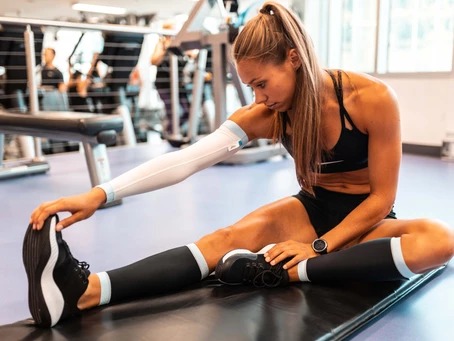
Use it or lose it – bone loss leading to Osteoporosis
•
August 7, 2020
•
Athletes
Osteoporosis is a very serious condition of low bone mass or density, and affects 55% of the population over 50 in the …
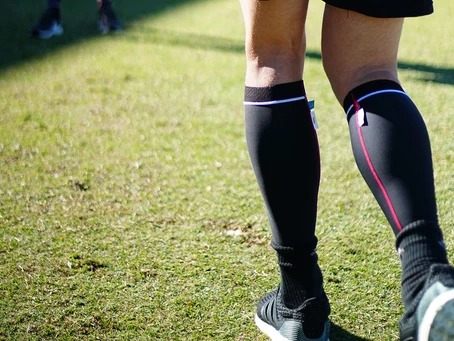
A typical job description for an Athletic Trainer
•
July 14, 2020
•
Athletes
Purpose of role Athletic trainers are where sports and medicine meet. Athletic trainers diagnose and treat injuries to bone and muscle under …
Physiological Effects of Compression Garments – A Summary
•
June 30, 2020
•
Athletes
Updated: Aug 24, 2020 Compression garments are used widely by elite and recreational athletes to improve performance and facilitate recovery, but what is …

Purposeful and Personal Tech in Fashion
•
March 3, 2020
•
Athletes
The fashion industry is looking ahead and transforming itself through technology. On Wednesday, March 4th at the Virgin Australia Melbourne Fashion Festival, …

CAPE Bionics Wins ANZSTA 2019!
•
September 4, 2019
•
Athletes
The Australia and New Zealand Sports Technology Awards (ANZSTA) recognises and celebrates excellence in data, digital and technology across the Sports, Media, …
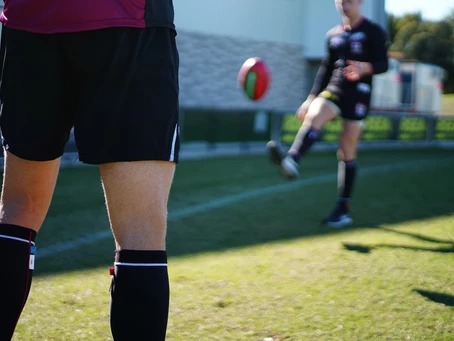
White Paper: WHY ELITE ATHLETES NEED CUSTOM-FIT COMPRESSION
•
June 30, 2019
•
Athletes
Despite being widely used by athletes at all levels, there is still considerable debate about how compression physiologically impacts the body, and …
Introducing CAPE: Proven by astronauts, now available to elite athletes
•
June 26, 2019
•
Athletes
CAPE produces a special sleeve, individually-sized from 3D athlete scans, to impose a unique and optimum pressure for either performance, recovery, or …
[elementor-template id=”5661540″]